Maximizing WhatsApp Business API for Israeli SMBs in 2026
Maximizing WhatsApp Business API for Israeli SMBs in 2026
As we navigate the ever-evolving landscape of digital communication, WhatsApp has emerged as a powerhouse, particularly for small and medium-sized businesses (SMBs) looking to engage with customers effectively. In Israel, where the technology scene thrives and mobile communication is deeply integrated into daily life, leveraging the WhatsApp Business API is not just an option; it's a necessity for businesses aiming to succeed in 2026 and beyond. This blog post will delve into practical strategies for Israeli SMBs to maximize the potential of the WhatsApp Business API, ensuring that they remain competitive in a digital-first world.
Imagine a scenario where a local bakery, known for its artisanal bread, can communicate with customers in real-time, sending out notifications for fresh stock, special promotions, and personalized offers through WhatsApp. The immediacy and familiarity of the platform allow for a more personal touch, fostering customer loyalty and driving sales. In this blog, we will explore the step-by-step setup of the WhatsApp Business API, best practices for customer engagement, integration tips with CRM systems, and real-world case studies of local businesses that have successfully utilized this powerful tool.
With the rapid growth of digital channels, businesses must pivot from traditional methods to more interactive and immediate forms of communication. WhatsApp Business API offers a unique opportunity to connect with customers where they already spend a significant amount of their time. This guide is designed to equip Israeli SMBs with the knowledge they need to harness this tool effectively, ensuring they can build strong relationships with their customers through personalized communication strategies.
Step-by-Step Setup Guide for WhatsApp Business API
Getting started with the WhatsApp Business API may seem daunting, but with a structured approach, Israeli SMBs can quickly implement this powerful communication tool. To begin, businesses need to apply for the WhatsApp Business API by creating a Facebook Business Manager account, which serves as the gateway to managing the API.
Once the Facebook Business Manager account is set up, the next step is to submit a request for API access. This involves providing details about the business, including phone numbers, business name, and a description of how the API will be used. It's essential to ensure that the provided information aligns with WhatsApp's policies to avoid delays in approval.
After gaining access, businesses must set up their environment. This usually requires a server capable of running the API, as it allows for the handling of messages and managing contacts. The WhatsApp Business API can be hosted on cloud services like AWS or Azure, which offer scalability and reliability. Alternatively, businesses may choose to partner with a solution provider that offers hosted services, simplifying the setup process.
Following the setup of the server, businesses need to configure their API client. This involves downloading the required software and setting up a database to store customer interactions. The API utilizes RESTful methods to communicate, so understanding HTTP requests and responses is crucial. A simple example of sending a message using the API can be illustrated as follows:
import requests

url = "https://api.your-whatsapp-business-provider.com/v1/messages"
headers = {
    "Authorization": "Bearer YOUR_ACCESS_TOKEN",
    "Content-Type": "application/json"
}
data = {
    "to": "RECIPIENT_PHONE_NUMBER",
    "type": "text",
    "text": {
        "body": "Hello, this is a message from your favorite bakery!"
    }
}

response = requests.post(url, headers=headers, json=data)

if response.status_code == 200:
    print("Message sent successfully!")
else:
    print("Failed to send message:", response.text)
This code snippet demonstrates how to send a text message using the WhatsApp Business API. It’s crucial to replace the placeholders with actual values, such as your access token and the recipient's phone number.
Best Practices for Customer Engagement through WhatsApp
Engaging with customers on WhatsApp requires a strategic approach to ensure that communication is effective and well-received. One of the best practices for customer engagement is to maintain a consistent brand voice across all messages. This helps to establish trust and familiarity with customers, making them more likely to engage with your content.
Another crucial practice is to prioritize responsiveness. Customers today expect quick replies, so businesses should aim to respond to inquiries within a few minutes. Implementing automated replies for frequently asked questions can help manage expectations and provide immediate assistance, while still allowing time for personalized responses.
Rich media messages can significantly enhance customer engagement. WhatsApp allows businesses to send images, videos, documents, and even location information. For example, a restaurant could send a mouth-watering image of a new dish, enticing customers to visit. Including rich media in communication not only captures attention but also increases the likelihood of customer interaction.
Furthermore, leveraging WhatsApp's functionality for customer feedback can provide valuable insights into customer preferences and satisfaction. Encouraging customers to share their experiences via direct messages can foster a sense of community and make customers feel valued. This feedback loop can then inform product development and marketing strategies.
Integration Tips with CRM Systems
Integrating the WhatsApp Business API with Customer Relationship Management (CRM) systems can significantly enhance the effectiveness of customer interactions. This integration facilitates seamless communication and ensures that customer data is central to all messaging efforts. One of the first steps in integration is ensuring that your CRM supports API connections.
For instance, if your business uses Salesforce, you can utilize middleware platforms like Zapier or Integromat to bridge the gap between WhatsApp and your CRM. This allows for automated workflows, such as sending a WhatsApp message when a new lead is added to your CRM. Such integrations can save time and streamline processes, allowing businesses to focus on building relationships rather than managing tools.
Another integration approach is to develop custom solutions that connect WhatsApp API directly with your CRM. This typically requires some development work but can provide a tailored solution that fits your specific business needs. Utilizing webhooks from the WhatsApp API can help capture incoming messages and update customer records in real-time.
from flask import Flask, request
import requests

app = Flask(__name__)

@app.route('/webhook', methods=['POST'])
def webhook():
    data = request.json
    phone_number = data['from']
    message = data['message']['text']

    # Here you would typically update the CRM with the new message
    update_crm(phone_number, message)

    return "Webhook received!", 200

def update_crm(phone_number, message):
    # Logic to update CRM with the incoming message
    pass

if __name__ == '__main__':
    app.run(port=5000)
In this example, we set up a basic Flask application to receive incoming messages via a webhook. The `update_crm` function would contain the logic for updating your CRM with the incoming conversation, ensuring that customer interactions are logged and accessible for future reference.
Case Studies of Successful Local Businesses Using the API
To understand the tangible benefits of the WhatsApp Business API, let's explore some case studies of Israeli businesses that have successfully integrated this tool into their operations. One notable example is a popular Tel Aviv-based clothing brand that leveraged WhatsApp to enhance customer service. By setting up a dedicated WhatsApp line, they enabled customers to inquire about sizing, availability, and even receive style advice directly from their representatives.
This direct line of communication not only improved customer satisfaction but also increased sales conversions by 25%. Customers appreciated the personal touch, and the brand reported a significant reduction in the number of abandoned carts, as customers felt more supported during their shopping experience.
Another inspiring case is a local travel agency that utilized the WhatsApp Business API to manage bookings and customer inquiries. By integrating their booking system with WhatsApp, clients could receive instant confirmations and updates regarding their trips. The agency also used WhatsApp to send personalized travel tips and recommendations, resulting in higher customer engagement and repeat bookings.
Moreover, a chain of coffee shops across Israel adopted WhatsApp to streamline their customer loyalty program. Customers could enroll in the loyalty program via WhatsApp and receive updates about promotions and rewards directly to their phones. This initiative increased customer retention rates and elevated brand loyalty, as customers felt directly connected to the brand.
Best Practices and Tips
As businesses look to maximize the effectiveness of the WhatsApp Business API, certain best practices can guide their efforts. First and foremost, businesses should prioritize user consent. Ensuring that customers agree to receive communications via WhatsApp is not only a legal requirement but also fosters trust.
Additionally, segmenting your audience can lead to more personalized marketing efforts. By categorizing customers based on their previous interactions or preferences, businesses can tailor their messages, making them more relevant and engaging.
Furthermore, utilizing analytics tools to track message performance and customer interactions can provide valuable insights. Understanding which messages resonate with your audience allows for continuous improvement in communication strategies.
Actionable Insights and Takeaways
To summarize the critical points discussed, the WhatsApp Business API offers Israeli SMBs a unique opportunity to engage with customers effectively. The setup process, while initially complex, can be streamlined by following a structured approach and leveraging existing tools and platforms.
Best practices for customer engagement include maintaining a consistent brand voice, ensuring quick response times, and utilizing rich media to capture attention. Integration with CRM systems can enhance the overall customer experience, allowing for personalized interactions based on customer data.
By learning from local success stories, businesses can glean insights into effective strategies for using WhatsApp as a communication tool. The combination of timely and personalized messaging can lead to improved customer satisfaction and loyalty, ultimately driving business growth.
Conclusion with Call to Action
As we approach 2026, the importance of effective communication will only continue to grow. For Israeli SMBs, the WhatsApp Business API presents an invaluable tool to connect with customers in a meaningful way. By implementing the strategies discussed in this article, businesses can position themselves to thrive in an increasingly competitive landscape.
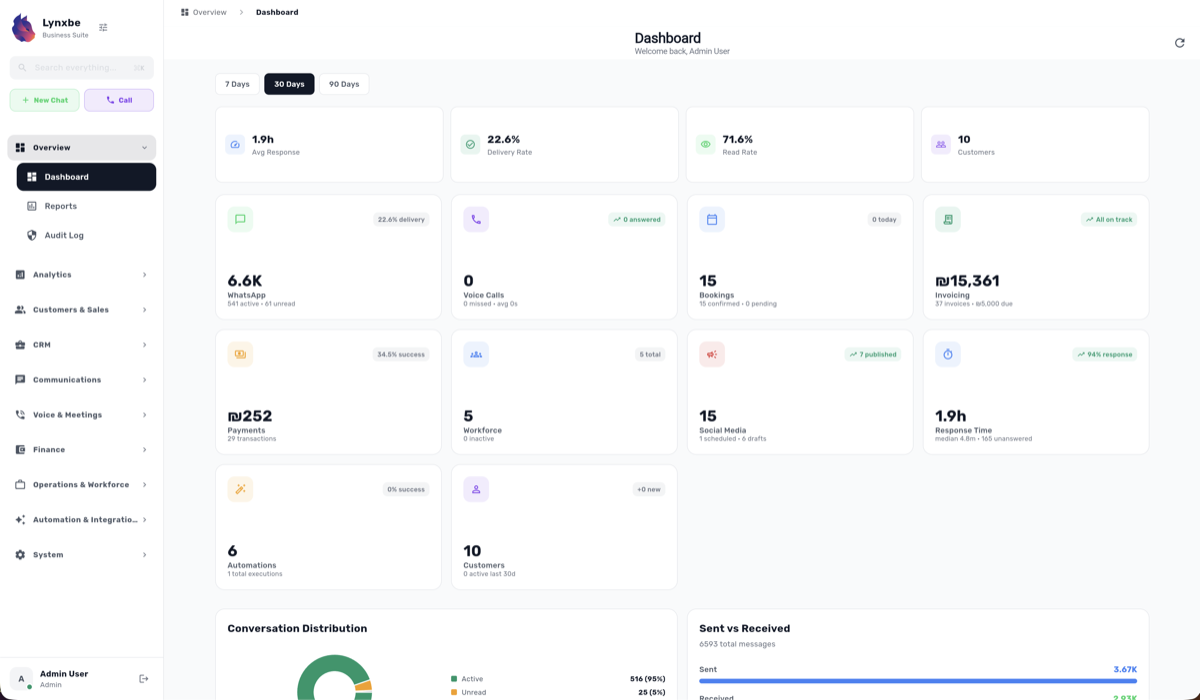
If you're ready to take the first step toward maximizing the WhatsApp Business API for your business, reach out to us at Lynxbe. Our team of experts is here to assist you in setting up the API, integrating it with your existing systems, and providing guidance on best practices to engage your customers effectively. Don’t miss out on the opportunity to elevate your communication strategy and enhance customer relationships.
Comments
💬 Share your thoughts