How to transition between the WhatsApp Business API in the Israeli sector
Introduction
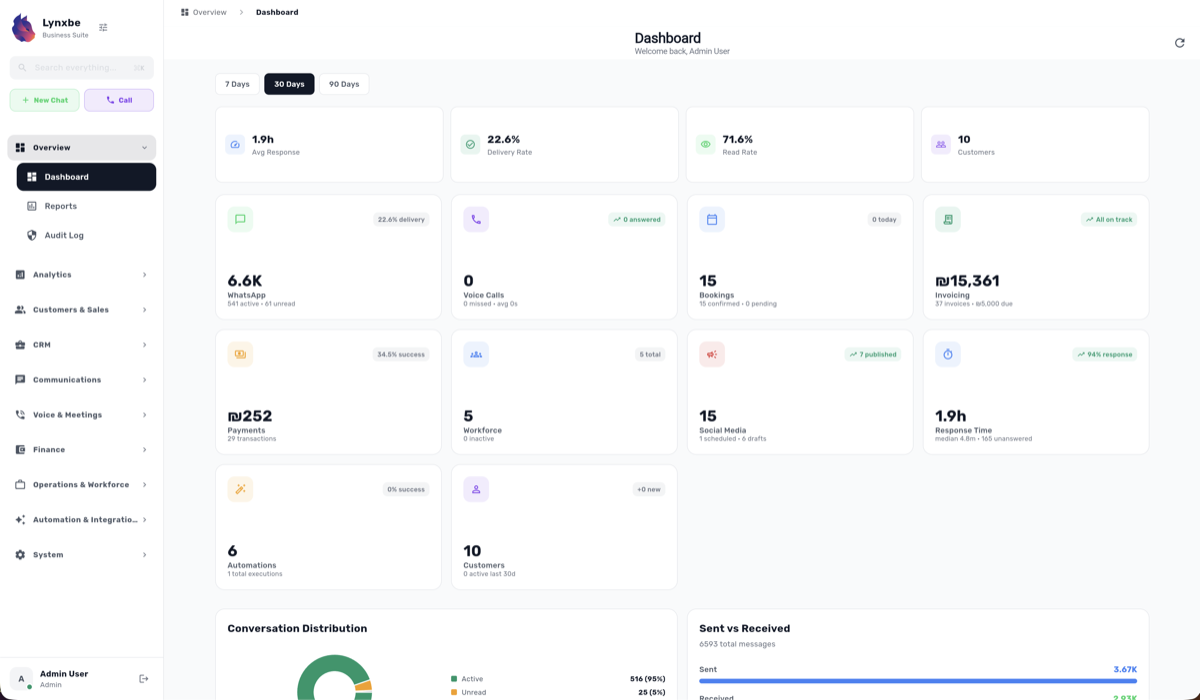
In recent years, WhatsApp has become one of the most popular platforms for communication between businesses and customers. Especially in Israel, many businesses recognize the potential of these services, but not always know how to maximize the use of the WhatsApp Business API. In this article, we will discuss how to transition between the WhatsApp Business API, focusing on the changes, integration with CRM systems, and streamlining communication processes with customers.
In this article, we will review the latest changes to the API, how to smoothly transfer processes between platforms, and how to ensure that conversations with customers are seamless and efficient. We will share practical code examples and present cases from the Israeli market, so you can understand the processes practically and implement them in your business.
Whether you are developers, project managers, or technology managers, this article is for you. We will guide you step by step, so you can make the most out of WhatsApp Business services. Let’s get started!
Step One: Understanding the Changes in the API
Over the past two years, WhatsApp has launched several important updates to its API, aimed at improving the user experience and streamlining conversations between businesses and customers. These changes include improvements in data access, updates to Webhook interfaces, and new safety measures. All of these are designed to provide businesses with more advanced tools for communication with customers.
One of the main changes is the improvement in Webhook interfaces. In the past, it was difficult to integrate with external systems, but now it is possible to receive real-time updates on messages and calls. This improvement allows businesses to respond quickly to any customer inquiries, encouraging paid marketing campaigns and providing a competitive advantage in the market.
Additionally, WhatsApp has launched new options for smart bots, which can assist in answering frequently asked questions or scheduling appointments. This allows businesses to save time and resources and provide customer service available around the clock. Every change in these services emphasizes the importance of adapting to updates and changes to remain competitive.
Guidance on How to Transition Between Platforms
To transition between different platforms of the WhatsApp API, it is important to carry out the transition in an organized manner. The first step is to understand your current system and the needs of the business. Are you using the WhatsApp API for sending marketing messages, customer support, or both? You need to define your goals before starting the process.
Next, you will need to set up a testing environment where you can test the changes without affecting the live system. It is important to use the appropriate libraries in your programming language to verify that the changes are being made correctly. For example, if you are using Python, you can use the "requests" library to send HTTP requests to the API.
Here is an example of how to send a WhatsApp message using the API in Python:
import requests

url = "https://api.whatsapp.com/v1/messages"

headers = {
    "Authorization": "Bearer YOUR_ACCESS_TOKEN",
    "Content-Type": "application/json"
}

data = {
    "to": "RECIPIENT_NUMBER",
    "type": "text",
    "text": {
        "body": "Hello, this is a sample message from the WhatsApp API!"
    }
}

response = requests.post(url, headers=headers, json=data)

if response.status_code == 201:
    print("Message sent successfully!")
else:
    print("Error sending message:", response.text)
This example demonstrates how to send a simple message. When transitioning between platforms, it is important to ensure that the new interface supports the functions you need, such as sending messages, receiving updates, and calls.
The Importance of Integrating with CRM
One of the most important aspects of using the WhatsApp API for businesses is integration with CRM systems. In order to streamline the communication process with customers, it is necessary for the information collected during conversations to be stored in the CRM system. This way, you can track every interaction with a customer and perform analyses that will help improve service.
This integration allows you to manage conversations in an organized manner. For example, when a customer reaches out via WhatsApp, the information about the conversation can automatically enter your CRM system. This ensures that you do not miss any important information, and that everything is stored in one place.
To implement this integration, you need to define a Webhook that will receive updates from the WhatsApp API and transfer the information to the CRM system. Here is a simple example of that:
from flask import Flask, request

app = Flask(__name__)

@app.route('/webhook', methods=['POST'])
def webhook():
    data = request.json
    # Here you can pass the information to the CRM system
    print(data)
    return '', 200

if __name__ == '__main__':
    app.run(port=5000)
With this example, you can capture the information sent from WhatsApp and perform additional actions on it, such as saving it in the CRM or sending alerts to the support team.
How to Streamline Communication Processes with Customers
To streamline communication processes with customers, there are several techniques that can enhance your experience and that of your customers. First, you can utilize smart bots capable of answering frequently asked questions. These bots can save you valuable time and provide quick responses to customers.
Second, it is important to define clear processes. For example, if you have a regular process for sending updates to customers, invest in defining message templates that ensure the information is conveyed in an organized and clear manner. These templates can include confirmation messages, status updates, or frequently asked questions.
Finally, ensure that your team is trained in using the WhatsApp API. Proper training will enable the team to respond quickly and efficiently to incoming conversations, increasing customer satisfaction and leading to better results.
Cases from the Israeli Market
To illustrate the topic, let’s look at some cases from the Israeli market. For example, the company "Ma'afari" - a leading company in the makeup industry, uses the WhatsApp API to manage its relationship with its customers. By integrating with its CRM system, it successfully stays updated on every customer inquiry and provides fast and high-quality service.
Another case is that of "Golan Telecom," which used the WhatsApp API to offer technical support to its customers. By integrating smart bots, the company managed to provide answers to frequently asked questions and save time for its human team. The bots help customers get answers quickly and direct the team to more complex cases.
Other companies like "Wolt" and "Ten Bis" have also adopted the WhatsApp API to enhance customer experience. They use the services to send updates on deliveries, confirm orders, and provide additional information to customers. The use of WhatsApp has become an integral part of their services.
These success stories demonstrate how the advantages of WhatsApp for businesses can be utilized wisely. It is important to remember that the ability to tailor services to customer needs is critical for success.
Best Practices and Tips
To get the most out of using the WhatsApp API for businesses, there are several best practices to consider. First, it is always advisable to update the information in your CRM system to maintain the accuracy of incoming and outgoing data.
Second, invest in training your team. Proper training will allow them to understand the systems better and provide fast and efficient service to customers. Clear processes and focused training can significantly enhance the service process.
Finally, don’t forget to be creative! Use WhatsApp not only to send messages but also for marketing campaigns, surveys, and questionnaires. This way, you can maintain contact with customers and build a deeper relationship.
Insights and Conclusion
In conclusion, transitioning


Comments
💬 Share your thoughts