The complete guide to integrating the WhatsApp API into your business
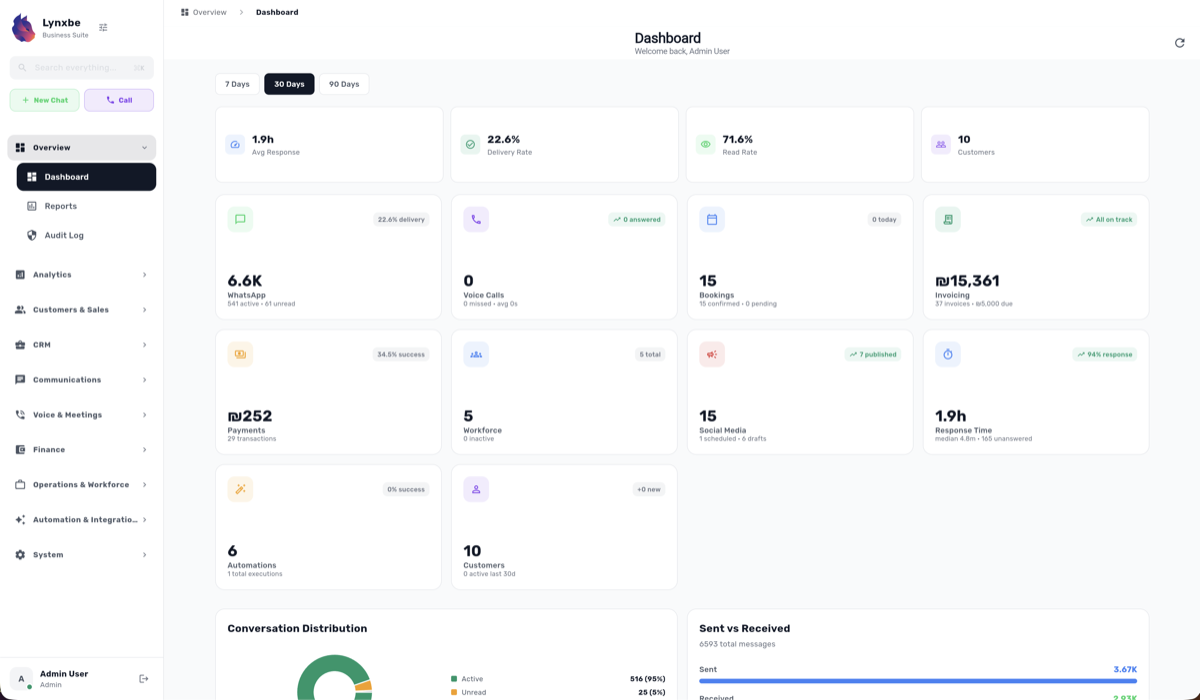
In today's digital age, businesses face many challenges when it comes to communicating with their customers. One of the most effective ways to enhance this communication is by integrating the WhatsApp API into your business. WhatsApp has become one of the most popular communication platforms, with over 2 billion active users worldwide. Integrating the WhatsApp API into your business can elevate the services you offer, improve conversion rates, and ultimately, increase sales.
In this post, we will cover everything you need to know about integrating the WhatsApp API into your business. We will start with the steps for implementation, continue with automation that can enhance service, examine the impact of the integration on conversion rates and sales, review real cases of businesses that succeeded in upgrading their service, and share tips and best practices. By the end of the article, you will be able to leave with practical ideas for immediate implementation in your business.
In a world view of advanced technologies, integrating the WhatsApp API is not just an advantage, but a necessity. Customers expect fast, efficient, and helpful communication. In your business, this can be the difference between a satisfied customer and an unsatisfied one. So let's dive in and understand how to do it right.
Steps to Implement WhatsApp Business API in Your Business
To start the process of integrating the WhatsApp API, the first step is to sign up for the WhatsApp Business API service. The process includes several steps, starting from submitting an application, approval, and installation process. When you sign up, you will need to provide a unique business phone number that is not in use on regular WhatsApp.
Once you receive approval, you will have access to the technical documents and tools needed for integration. There are several third-party providers offering solutions for integrating the WhatsApp API, such as Twilio, MessageBird, and 360dialog. These providers offer user-friendly APIs that allow you to send and receive messages easily.
After you set up your WhatsApp Business API account, the next step is to configure your server. This includes setting up the API endpoint, managing SSL certificates, and establishing communication between your server and WhatsApp. This process may require advanced technical knowledge, so it's recommended to seek help from an experienced developer or development company.
Once you have completed the basic setup, you can start sending text messages, images, files, and more. This process is done through HTTP requests, where you will send data to WhatsApp's server and process the responses. It is important to adhere to the rules and procedures set by WhatsApp to avoid being blocked.
How to Implement Automation with WhatsApp to Improve Service
Automation is a powerful tool that can enhance the customer experience in your business. With the WhatsApp API, you can implement automated bots that can answer frequently asked questions, schedule appointments, and collect information from customers. For example, if a customer asks about opening hours, the bot can provide that information immediately without waiting for a representative's response.
To set up a bot, you can use libraries like Dialogflow or Microsoft Bot Framework, which simplify the creation of intelligent bots. The bots can operate according to predefined scripts, but also learn and improve over time using machine learning technologies. This can help you enhance service and increase customer satisfaction.
Automation not only saves time but also frees your team's resources to work on more complex tasks. For example, if you have a small customer service team, you can use a bot to answer basic questions while representatives focus on more complicated customer issues.
Additionally, one of the advantages of using bots is that you can operate them 24/7. Customers can get answers to their questions at any time, which increases the reliability of your business. Automation on WhatsApp can significantly enhance your customer service.
The Impact of Integration on Conversion Rates and Sales
Integrating the WhatsApp API into your business not only improves service but also directly impacts conversion rates and sales. When customers can communicate with you easily and quickly, they are likely to make purchases faster. For example, a study conducted in the American market found that a business using WhatsApp to communicate with its customers saw a 25% increase in sales.
The data shows that customers prefer to communicate with businesses through platforms they are familiar with. WhatsApp offers a sense of convenience and security, which increases the likelihood of a customer making a purchase. Additionally, customers feel that service is available to them at all times, which enhances trust in the business.
To optimize the sales process, you can use personalized messages. For example, sending messages to customers who added products to their shopping cart but did not complete the purchase. Such a message can remind them of the product and offer a small discount to encourage them to complete the purchase.
Another way to increase conversion rates is through paid marketing on WhatsApp. You can use paid advertising to reach potential customers and offer them discounts or special deals. This can be an effective way to increase brand awareness and improve sales.
Best Practices for Using WhatsApp in Your Business
To maximize the potential of WhatsApp in your business, there are several best practices to consider. First, ensure clear and professional communication. When communicating with customers, use simple and clear language, and avoid using technical terms that may not be understood by everyone.
Second, do not overwhelm customers with messages. It's important to maintain balanced communication and avoid flooding customers with numerous messages. Focused, relevant, and helpful messages will lead to better outcomes and increase customer satisfaction.
Third, ensure availability. Customers expect quick responses, so it's important to be available and provide timely replies. If you cannot be available 24/7, consider implementing automated bots that can provide basic information during hours when your team is not available.
Finally, data analysis is an integral part of using WhatsApp. Track the messages sent, customer responses, and overall data to identify trends and continuously improve your service. This may include checking which messages receive the best responses and which topics need improvement.
Real Cases of Businesses That Successfully Enhanced Their Service
Let's examine some real cases of Israeli businesses that used the WhatsApp API to enhance their service. A prominent example is "Shufersal," one of the largest retail chains in Israel. The company implemented the WhatsApp API to allow customers to receive fast and efficient customer service. The result was a significant improvement in customer satisfaction and an increase in sales.
Another case is the company "Ma'afari," which offers skincare and cosmetic products. The company used WhatsApp to have direct conversations with customers, offer consultations, and sell products. The use of the platform led to a 30% increase in sales, while significantly improving the customer experience.
A startup called "Ten Li" also succeeded in leveraging the WhatsApp API to enhance its service. This food ordering platform used WhatsApp to communicate with customers in real-time. This integration not only improved communication but also helped them understand customer preferences and improve the product accordingly.
These cases demonstrate the power of the WhatsApp API to upgrade service, increase sales, and improve customer experience. Businesses of all sizes can benefit from using this platform.
Practical Tips
In conclusion, there are several practical tips that can benefit any business using WhatsApp. It is important to set clear objectives for using the platform in advance and build a data-driven strategy to track success. The more focused you are, the better results you can achieve.
Additionally, it is important to prevent irrelevant conversations and focus communication on topics that are meaningful to customers. This can include discounts, special promotions, or information about new products. Investing time in creating quality content will help increase customer engagement.
Finally, do not forget to stay updated on changes and innovations in the field. WhatsApp regularly upgrades its platform, and it is advisable to stay informed about all the updates to make the most out of the service.
Insights and Points to Consider
Integrating the WhatsApp API into your business is an important step that can enhance your customer experience, increase sales, and improve service. Through automation, clear communication, and proper data management, you can ensure that the process runs smoothly and efficiently.
It is important to remember that what matters is not just the use


Comments
💬 Share your thoughts