Upgrade your business with WhatsApp Cloud API
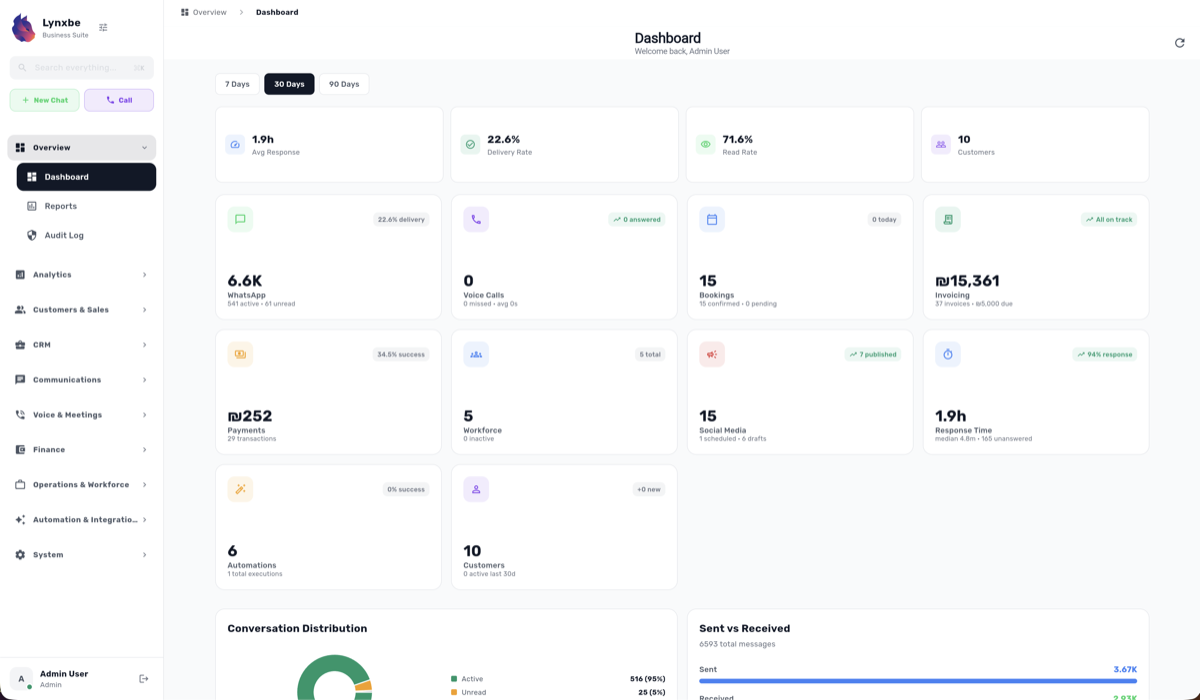
In the digital age we live in, communication with customers has become more important than ever. Businesses of all sizes understand that they need to be present on all the platforms where their customers are. One of the leading platforms in the communication field is WhatsApp, which offers a powerful tool for businesses – the WhatsApp Cloud API. In this article, we will examine the advantages of this API, how it can be implemented in your business, practical use cases, and its integration with CRM systems and automation to improve processes.
WhatsApp Cloud API allows businesses to send and receive messages easily and quickly, thereby improving customer service, increasing sales, and enhancing engagement with the brand. In your business, you can leverage this platform to communicate with customers in real-time, provide technical support, and send important updates. All of this can be done without the need to establish a complex technical infrastructure or invest significant resources.
Now, let's dive deep into the advantages of WhatsApp Cloud API and help you understand how it can be used to benefit your business. We will also explore steps to implement the API in your business, examples of practical uses, and options for integration with CRM and automation systems.
The Advantages of WhatsApp Cloud API for Businesses in Israel
WhatsApp Cloud API offers several significant advantages for businesses, especially in Israel where there is an active community of WhatsApp users. One of the main advantages is the ability to communicate with customers instantly. In an era where customers expect quick responses, the API allows businesses to reply to inquiries and requests almost immediately.
Another advantage is the ability to send automated messages. Through integration with CRM systems, businesses can send automated messages to customers based on various actions, such as order confirmation or delivery status updates. This not only saves time but also provides customers with a sense of transparency and security.
An important additional advantage is the ability to send media, such as images and videos, which can enhance the customer experience. Businesses can send images of new products, explanatory videos, and even links to websites. All of these can contribute to increasing customer engagement with the brand.
Steps to Implement the API in Your Business
To start using the WhatsApp Cloud API, there are several steps that need to be taken. The first step is to register for the API platform. You need to visit the WhatsApp Business website, create a business account, and request access to the API.
After receiving access, the next step is to set up your development environment. You can choose to use different programming languages like Python, Node.js, or Java. Then, you need to configure the basic settings of the API, including your business phone number and verification with WhatsApp.
In the next step, you can start writing code and sending messages. For example, a simple code snippet for sending a message might look like this:
import requests

url = "https://graph.facebook.com/v13.0//messages"

payload = {
    "messaging_product": "whatsapp",
    "to": "",
    "text": {
        "body": "Hello, thank you for reaching out to us!"
    }
}

headers = {
    "Authorization": "Bearer ",
    "Content-Type": "application/json"
}

response = requests.post(url, json=payload, headers=headers)

print(response.json())
Additionally, it is important to pay attention to managing responses from customers. You can send automated replies to frequently asked questions and open direct communication channels with customer service representatives for cases that require special attention.
Examples of Practical Uses in Customer Communication
WhatsApp Cloud API offers a wide range of possible uses in businesses. One common use is sending updates to customers about order statuses. For example, an online retail company can send a message to a customer when their order has been shipped, thus maintaining transparency.
Another use is conducting surveys and questionnaires. Businesses can send surveys to customers after a purchase to understand their customer experience. This way, they can improve the products and services they offer. For example, an Israeli food company could ask customers if they are satisfied with the product and what could be improved.
Additionally, the API can be used to send reminders for appointments or events. For instance, medical clinics can send reminders to patients about upcoming appointments, thereby reducing the number of cancellations and delays.
Integration with CRM and Automation to Improve Processes
One of the major advantages of WhatsApp Cloud API is the ability to integrate it with CRM systems, which allows for the automation of business processes. By this integration, businesses can streamline communication with their customers.
For example, if you have a CRM system like Salesforce or HubSpot, you can set up automation that sends messages to customers based on actions they take in the system. If a customer abandons a cart in your online store, you can send them a personalized message with a discount on the products they left behind.
This automation not only saves time but also increases the likelihood of conversions. Additionally, with tools like Zapier, you can connect WhatsApp to a wide range of other tools, expanding your options.
Practical Cases from the Israeli Tech Scene
Let's examine several practical cases from Israeli tech companies that have used WhatsApp Cloud API to upgrade their business. For example, the company "Walla" used the API to send real-time news updates to customers. Instead of having customers visit the website to check for news, they received updates directly to their WhatsApp, which increased engagement.
Another company is "Alibaba Israel", which used WhatsApp to enhance customer experience. The company sent personalized messages to customers with tailored offers based on their purchase history. The result was a significant increase in sales and customer satisfaction.
Even in the restaurant industry, there is extensive use of WhatsApp Cloud API. Restaurants like "Maxi" began sending updated menus and special offers to customers via WhatsApp, which increased real-time orders. In an era where customers seek convenience, these restaurants managed to significantly improve the customer experience.
Best Practices and Tips
To make the most of WhatsApp Cloud API, there are several best practices to consider. First, it is important to be transparent with customers. Before you start sending messages, ensure that your customers know they will be receiving messages from you, and offer them the option to opt-out.
Second, do not send too many messages. It's important to maintain a balance between communicating with customers and not overwhelming them. Focused and relevant messages will increase the likelihood that your customers will respond.
Finally, use media whenever possible. Sending images, videos, and links can enhance engagement with customers and make your messages more attractive.
Insights and Recommendations for Action
WhatsApp Cloud API offers many benefits for Israeli businesses, with the potential to upgrade communication with their customers. With this platform, you can provide better services, increase engagement, and boost sales.
To maximize the benefits of the API, it is essential to understand your customers' needs and act accordingly. Spend time understanding your target audience, and use data to tailor your messages.
In conclusion, if you are a business manager, CTO, or developer, consider using WhatsApp Cloud API to upgrade your business. Add this tool to your toolkit, and see how it can improve your business processes.
Don't hesitate to start today! Sign up for WhatsApp Cloud API and begin upgrading your business with advanced technology.
Comments
💬 Share your thoughts