The Complete Guide to Transitioning to WhatsApp Cloud API in Israel
In the past, communication with customers was a complex task that required significant investment in resources and time. Nowadays, with the rapid shift to digital technologies, new opportunities are opening up for businesses, especially with tools like WhatsApp Cloud API. This guide is designed to help small and medium-sized businesses in Israel understand the benefits of using WhatsApp Cloud API, the steps to transition from legacy applications, and the necessary settings to optimize the use of the platform.
What exactly is WhatsApp Cloud API? It is a solution that allows businesses to communicate with their customers via WhatsApp in an automated, flexible manner that suits their needs. The platform offers a wide range of options, from automated messages to real-time customer support. These advantages serve as a gateway for small businesses into the new era of customer service.
In a world where instant communication is the key to success, WhatsApp Cloud API offers a convenient solution that outshines traditional technologies. It is a tool that can maximize your business's response rate, improve customer experience, and enhance customer loyalty.
In this article, we will examine how to smoothly transition to WhatsApp Cloud API, review the necessary technical settings, and provide examples of successful businesses that have effectively used this platform. We will also answer frequently asked questions and highlight pitfalls to avoid to ensure a seamless transition.
The Benefits of WhatsApp Cloud API for Small Businesses
WhatsApp Cloud API offers small businesses several significant advantages. First, it enables instant communication with customers, which shortens response times and allows for fast and efficient customer service. In an era where customers expect immediate responses, this is a significant advantage that can set a successful business apart from others.
Secondly, the platform offers automation capabilities. Businesses can set up chatbots that can answer frequently asked questions, provide information about products, and perform basic actions such as scheduling appointments or taking orders. This reduces the burden on human staff and allows them to focus on more important tasks.
Another advantage is the flexibility of WhatsApp Cloud API. The platform can easily integrate with existing Customer Relationship Management (CRM) systems, allowing businesses to manage all communication in one place. This is a significant advantage, especially for small businesses that do not have the resources to invest in separate systems for every need.
Steps to Transition from Legacy Applications to Cloud API
To transition to WhatsApp Cloud API, several key steps must be considered. The first step is to assess the needs of the business. Do you need a chatbot for automated assistance? Is there a need for real-time customer service? A clear understanding of your needs will help you set up an appropriate system.
Next, you need to register for a WhatsApp Business account. The registration process includes verifying your phone number and setting up a business profile. It is important to ensure accurate details, as your business profile is the face of your company to customers.
Once the registration process is complete, you can begin the technical setup of the Cloud API. You must follow WhatsApp's guidelines to set up your system. This includes creating an application ID, setting up credentials, and configuring API settings.
One of the key configurations is creating a Webhook, which allows your system to receive instant messages from customers. With Webhook, you can automatically respond to messages, simplifying communication and optimizing service.
Technical Settings and Platform Optimization
After setting up your Cloud API account, it is important to optimize the platform to achieve the best results. First, ensure that your system can handle the expected volume of messages. This means ensuring that your application can manage a large number of messages simultaneously without delays.
Additionally, check the performance of the Webhook and ensure it is functioning correctly. If there are issues with message delivery, verify that the address you set up is correct and that you have the appropriate credentials.
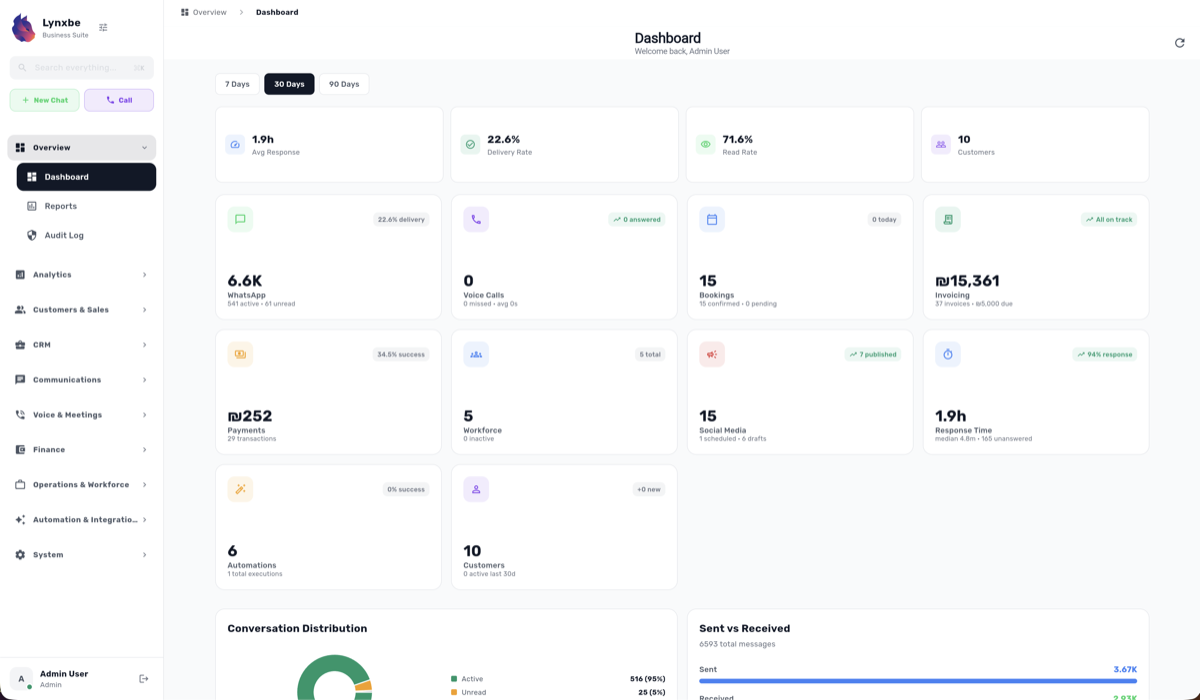
Another optimization is understanding the WhatsApp Cloud API dashboard. The dashboard provides important data about your message performance, such as open rates and response rates. By analyzing this data, you can evaluate what works and what doesn’t, and make improvements to your system.
Examples of Success from Businesses that Used It
To understand the benefits of WhatsApp Cloud API, let’s examine several examples from the business world in Israel. One of them is "Bread Bakery," which used WhatsApp Cloud API to improve its customer service. The company set up a chatbot that answered frequently asked questions and guided customers through the ordering process.
After transitioning to WhatsApp Cloud API, the company reported a 40% increase in orders through the platform. Customers praised the speed and efficiency of the service, leading to increased customer loyalty.
Another example is "Israeli Tourism," which used WhatsApp Cloud API to enhance the customer experience during vacations. The company allowed customers to send real-time questions about their destination and successfully responded to them quickly.
During the summer season, the company reported a 30% decrease in the number of phone calls, with most inquiries shifting to chat. This saved time and resources, and customers enjoyed faster service.
Frequently Asked Questions and Pitfalls to Avoid
As businesses begin to use WhatsApp Cloud API, several common questions may arise. One question is whether the API can be used for marketing purposes. The answer is that WhatsApp restricts the use of the API to customer service purposes only, so it is important to adhere to usage guidelines.
Another question is how to manage communication with customers. It is important to establish clear guidelines for communication, such as response times and policies regarding unsolicited messages.
One common pitfall is misunderstanding the Webhook settings. If the Webhook is not configured correctly, there may be issues with message delivery. Therefore, it is advisable to regularly check the settings and ensure they are up to date.
Best Practices and Tips
To get the most out of WhatsApp Cloud API, it is advisable to adopt several best practices. First, invest in training your team on how to use the API. The more skilled your team is, the better the service you will receive.
Additionally, it is important to monitor system performance and make improvements as needed. This includes analyzing reports and understanding customer behavior so that you can tailor the service to their needs.
Finally, do not forget to keep in touch with your customers after the conversation ends. Sending thank-you messages or surveys after service can improve loyalty and increase customer engagement.
Actionable Insights and Takeaways
In conclusion, transitioning to WhatsApp Cloud API offers small and medium-sized businesses in Israel an opportunity to upgrade their customer service and streamline communication with customers. By understanding the advantages of the platform, executing the transition steps systematically, and setting the correct technical configurations, you can ensure that the transition is smooth and successful.
It is also important to learn from the examples of other businesses that have successfully used WhatsApp Cloud API. These examples can serve as inspiration and help you understand how to implement the solutions in your business.
Additionally, it is crucial to consider the frequently asked questions and common pitfalls to avoid issues when using the platform. Investing in training and best practices will help you succeed in customer service.
Summary with a Call to Action
The transition to WhatsApp Cloud API is not just a technological move, but also a strategic step that can enhance your customer experience. If you haven't taken this step yet, now is the right time. Do not hesitate to reach out



Comments
💬 Share your thoughts