The right choice: CRM vs. Local Customer Management System
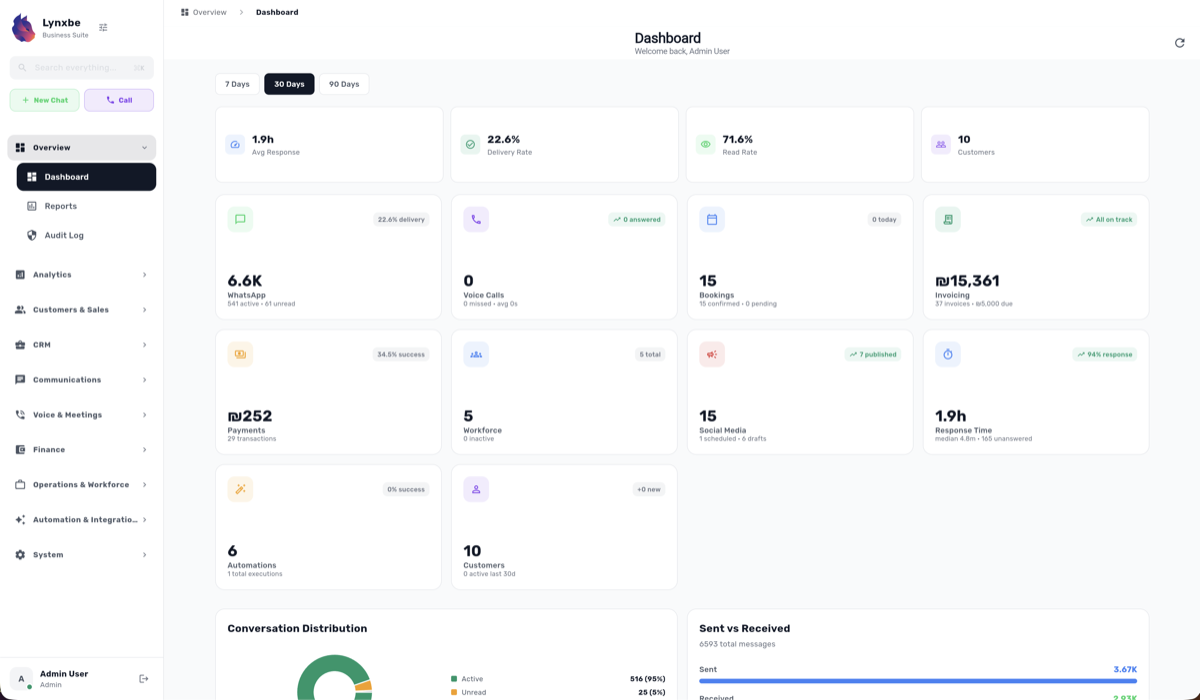
The Right Choice: CRM vs. Local Customer Management System
In today's fast-paced and dynamic world, businesses need solutions that allow them to manage their relationships with their customers in the most effective way. One of the key questions facing technology managers and entrepreneurs is whether to choose a global CRM system or a local customer management system. This choice is not always simple, and it is important to understand the advantages and disadvantages of each approach in order to make an informed decision.
As part of this process, we will discuss the comparison between global CRM solutions and local systems, examine the advantages and disadvantages of each, and provide real examples from Israeli companies that have been in a similar situation. At the end of the article, we will offer tips and tools that can help you choose the right solution for your business.
To succeed in a competitive market, it is important not only to choose the right system but also to understand what you need from your solution. Every business is unique, so it is essential to make a precise adjustment to your needs. We will start by understanding the basic differences between the two.
Comparison Between Global CRM Solutions and Local Systems
Global CRM solutions like Salesforce, HubSpot, and Zoho offer a wide range of functional tools that meet the needs of companies of all sizes. One of the prominent advantages of these systems is that they offer integration with a wide variety of other applications, simplifying processes and increasing efficiency. Another advantage is that they are usually updated regularly, so customers have access to the latest technologies.
However, there are disadvantages that are important to consider. These systems can be very expensive, especially for small or medium-sized businesses. Additionally, their flexibility may be limited, as interfaces and options may not always fit the specific needs of your business. Often, these applications are required to adapt to existing processes rather than offering customized solutions.
On the other hand, local customer management systems offer customized solutions that can fit the specific needs of the business. Many Israeli companies, such as Wix and Taboola, have chosen to develop such solutions to tailor the systems to their internal processes and unique requirements. A key additional advantage is that local systems allow full control over the data, enhancing the security of the information.
However, local systems may be limited in terms of integration capabilities with other systems. Additionally, there is often a need for additional funding to upgrade the system or keep it up to date. The investment required for the development and maintenance of such a system can also be very high.
Advantages and Disadvantages of Each Approach
To understand the advantages and disadvantages of each approach, it is advisable to examine their impact on the business as a whole. A global CRM system like Salesforce often offers a user-friendly interface, advanced reporting capabilities, and automation of business processes. The system also provides extensive technical support and rich knowledge bases, making it easier for employers and employees to learn and use the system effectively.
On the other hand, the downside is that the system may be too complex for small businesses, which can complicate daily use. Additionally, subscription and maintenance costs can accumulate, especially when there is a need to add additional features or purchase additional modules.
While local customer management systems offer a flexible and customized solution, it is important to consider the resources required for their development and maintenance. Additionally, there is often a need for in-depth training of the staff, which can take time and require significant investment.
Furthermore, when it comes to local systems, it is necessary to ensure that the system is up to date and meets the changing market demands. Companies that do not update may find themselves falling behind, especially when facing global competition.
Criteria for Making the Right Choice for Your Business
Now that we understand the advantages and disadvantages of each approach, we can move on to the criteria that can help you choose the right solution for your business. First, you need to assess the size of your business and its specific needs. If you are a small or medium-sized business, a local customer management system may be more suitable for your needs.
Second, consider your budget. Do you have the resources to invest in an expensive global system, or would it be better to choose a cheaper solution that offers the basic functions you need? It is important to make comparisons and consider the total cost of ownership.
Third, you should consider the integration capabilities of the system. If your business relies on several different technological systems, it is important to choose a CRM that can easily integrate with other tools you are already using. This can save time and prevent issues with human error.
Finally, it is advisable to examine the technical support offered by the system. Does the company provide 24/7 support? Does it have rich knowledge bases? All of these are factors that can affect the daily use of the system, so it is important to check them before making a decision.
Real Cases of Businesses That Made the Right Choice
Let's examine several cases from Israeli companies that chose one way or another regarding their CRM. Wix, for example, developed a local customer management system to tailor the system to its unique needs. The system allows them to manage all customer relationships seamlessly, and it is adapted to the company's internal processes.
On the other hand, Taboola, which started as a small startup, chose a global CRM system like Salesforce. This choice allowed them to expand quickly and benefit from the advanced functions that the system offers. With automation and advanced analytics, they were able to streamline their workflows and improve customer service.
Another company is Fiverr, which used a local customer management system to maintain full control over its data. Their internal system allows them to manage customer relationships efficiently and securely, while ensuring precise alignment with the unique needs of the platform.
Each case demonstrates the importance of tailoring the solution to the specific needs of the business. Both companies that invested in customized systems and those that chose global solutions were able to streamline their processes and achieve positive results.
Best Practices and Tips
When choosing between a global CRM system and a local customer management system, there are several tips that can help you make the right decision. First, conduct thorough market research to understand what options are available and which companies provide these systems.
Second, at the selection stage, it is advisable to conduct a pilot. If possible, request access to a free trial of the system to test its functions. This can give you a real sense of how the system operates and whether it meets your needs.
Third, do not hesitate to check recommendations and reviews from other customers. Look for opinions on the system you are considering, and check if there have been issues with technical support or the system's functions.
Finally, be sure to consider the future growth of your business. Are you planning to expand? Will you need more features in the future? It is important to choose a system that can grow alongside your business.
Actionable Insights and Takeaways
In conclusion, the choice between a global CRM system and a local customer management system is a significant decision that will impact your business operations. It is a process that requires a deep understanding of your needs, budget, integration capabilities, and technical support.
Whether you choose a global or local system, it is important to remember that a good solution is one that is tailored to your needs and provides you with the tools to streamline your workflows. Take the time to make the right choice, and use the tips we presented to ease the process.
Also, do not forget to check real cases of other companies that faced the same dilemmas. This can help you understand the advantages and disadvantages of each approach in a more practical way.
Summary and Call to Action
In conclusion, if you are facing this important decision, use the information provided in this article to make the right choice. Assess your needs, conduct market research, and consider different solutions.
If you need further assistance, do not hesitate to seek professional advice




Comments
💬 Share your thoughts