WhatsApp Business API: Boosting Customer Engagement in 2026

As we journey into 2026, the digital landscape continues to evolve at an unprecedented pace, with customer engagement becoming a focal point for businesses worldwide. One of the standout players in this realm is the WhatsApp Business API, which provides companies with a robust platform to communicate with their customers in a more personal and efficient manner. With over 2 billion users globally, WhatsApp's potential for businesses is undeniable, and as trends shift towards instant communication, leveraging this platform can lead to significant improvements in customer engagement and satisfaction.
The importance of effective customer communication cannot be overstated. In an age where consumers expect immediate responses and personalized interactions, businesses are tasked with finding solutions that not only meet these expectations but also enhance their operational efficiency. The WhatsApp Business API is designed to bridge this gap, allowing organizations to automate responses, manage customer inquiries, and maintain a consistent brand presence across multiple channels. This post will delve into the key benefits of the WhatsApp Business API, best practices for its integration, and real-world examples of businesses that have successfully harnessed its capabilities.
As businesses continue to adapt to the changing dynamics of customer communication, understanding how to effectively utilize tools like the WhatsApp Business API can set them apart from the competition. This platform not only facilitates direct communication but also integrates seamlessly with existing systems, empowering businesses to provide exceptional customer service. In this blog post, we'll explore actionable insights and strategies that business owners and managers can implement to elevate their customer engagement through the WhatsApp Business API.
Before diving into the specifics, it's essential to grasp what the WhatsApp Business API is and how it differs from the standard WhatsApp Business app. The API is aimed at medium to large businesses that wish to communicate with their customers at scale. It allows for automation and integration with CRM systems, enabling businesses to manage high volumes of messages while maintaining a personal touch. As we move forward, let's examine the key benefits that make this tool indispensable for enhancing customer interactions.
Key Benefits of Using WhatsApp Business API
One of the primary advantages of the WhatsApp Business API is its ability to streamline communication. Businesses can send notifications, updates, and responses to customer inquiries instantly. This feature not only saves time but also enhances the customer experience by providing timely responses to queries.
Additionally, the WhatsApp Business API supports rich media messaging, allowing businesses to send images, videos, and documents. This capability is particularly useful for industries such as retail and real estate, where visual content plays a crucial role in engaging customers. By using rich media, businesses can convey information more effectively and create a more engaging experience for their users.
Another significant benefit is the access to analytics. Businesses can track message delivery, read receipts, and engagement metrics, providing insights into customer interactions. This data can be pivotal for adjusting marketing strategies and improving customer service, enabling businesses to be more responsive to customer needs.
Furthermore, security is a paramount concern for customers today. The WhatsApp Business API offers end-to-end encryption, ensuring that messages remain private and secure. This level of security builds trust, which is fundamental in customer relationships. When customers know their data is protected, they are more likely to engage openly with businesses.
Best Practices for Integrating WhatsApp with CRM Systems
Integrating WhatsApp Business API with existing Customer Relationship Management (CRM) systems can enhance the functionality of both tools, leading to more personalized customer interactions. Businesses should first choose a CRM that supports API integration, allowing for seamless data exchange between platforms.
Once the CRM is in place, the next step is to establish a clear communication strategy. This involves defining how customers will interact with the business via WhatsApp. Businesses should create a dedicated WhatsApp number for customer inquiries to keep communication organized. Automating the initial responses or frequently asked questions can help manage customer expectations and streamline interactions.
It's also important to ensure that customer data captured via WhatsApp is synchronized with the CRM system. This synchronization enables sales and support teams to access the latest customer interactions and history, allowing for more personalized service. For example, if a customer inquires about a product, the support team can view previous conversations and provide informed responses.
Regularly reviewing and updating the integration process is crucial. As businesses grow, they may need to adjust their communication strategies or CRM functionalities. Keeping abreast of updates in both WhatsApp and CRM capabilities will help businesses maximize their investment and ensure they are offering the best possible service to their customers.
Automating Customer Interactions Using WhatsApp Chatbots
One of the most powerful features of the WhatsApp Business API is the ability to implement chatbots for automating customer interactions. Chatbots can handle a variety of tasks, from answering common questions to guiding users through complex processes, which can significantly reduce the load on customer service teams.
When designing a chatbot, it's essential to map out customer journeys and identify key touchpoints where automation can enhance the user experience. For instance, a retail business might use a chatbot to assist customers with order tracking, product inquiries, or even processing returns. This not only improves response times but also frees up human agents to focus on more complex issues.
Moreover, chatbots can be programmed to provide personalized recommendations based on customer preferences and previous interactions. By analyzing customer data, businesses can use chatbots to suggest products or services that align with the user's interests, thereby increasing the likelihood of conversion.
Implementing a feedback loop is vital for refining chatbot interactions. After each conversation, businesses should collect feedback from customers to understand their experiences and identify areas for improvement. This iterative process ensures that the chatbot evolves and continues to meet customer expectations effectively.
Real-World Case Studies of Businesses Successfully Using WhatsApp
To illustrate the power of the WhatsApp Business API, let’s explore some real-world case studies of businesses that have successfully integrated this tool into their customer engagement strategies. These examples showcase how companies in the US, UK, and Europe have leveraged WhatsApp to enhance their operations.
A notable example comes from a UK-based retail company that used WhatsApp to handle customer inquiries during a festive sales period. By integrating WhatsApp with their CRM system, they managed to automate responses to common questions, such as product availability and delivery times. During peak times, this resulted in a 50% reduction in response time, leading to increased customer satisfaction and a significant boost in sales.
In the US, a travel agency implemented the WhatsApp Business API to streamline booking confirmations and provide real-time updates to travelers. Customers received notifications about flight changes or delays directly through WhatsApp, which improved communication and reduced no-shows. This proactive approach not only enhanced customer experience but also led to a 30% decrease in customer service calls.
Another compelling case is a European e-commerce platform that utilized WhatsApp for order tracking and customer support. By allowing customers to receive updates on their orders via WhatsApp, they saw a 40% increase in engagement rates. Furthermore, the integration of a chatbot for FAQs significantly decreased the workload on customer service representatives, allowing them to focus on more complex queries.
These case studies highlight the potential of the WhatsApp Business API in transforming customer engagement strategies across various industries. By adopting similar practices, businesses can unlock new levels of customer satisfaction and operational efficiency.
Best Practices and Tips
As businesses consider adopting the WhatsApp Business API, there are several best practices to follow for a successful implementation. First, ensure that communication is clear and concise. Customers appreciate straightforward messaging, so avoid jargon and keep messages to the point.
Next, prioritize responsiveness. In today's fast-paced environment, customers expect quick replies. Utilizing automation for initial responses can help manage expectations while ensuring that inquiries are addressed promptly.
Additionally, maintain a consistent brand voice across all communications. Whether it's through WhatsApp or other channels, customers should recognize the brand’s personality and tone. This consistency fosters trust and strengthens brand loyalty.
Finally, regularly review performance metrics to assess the effectiveness of your WhatsApp integration. By analyzing customer interactions and feedback, businesses can continually refine their strategies and improve the overall customer experience.
Actionable Insights and Takeaways
The WhatsApp Business API presents a unique opportunity for businesses to enhance customer engagement and streamline communication. By leveraging automation, integrating with CRM systems, and personalizing interactions, companies can significantly improve their customer service and operational efficiency.
As we move into 2026, it is crucial for businesses to adapt to changing customer expectations. The shift towards instant communication means that utilizing platforms like WhatsApp is no longer optional but rather essential for staying competitive.
Incorporating chatbots and automation will not only save time but also provide customers with the timely responses they crave. By adopting best practices and refining strategies based on customer feedback, businesses can create a more engaging experience that fosters loyalty and drives growth.
Conclusion and Call to Action
In conclusion, the WhatsApp Business API offers a powerful solution for businesses looking to enhance their customer engagement strategies in 2026. The ability to automate interactions, integrate with CRM systems, and provide personalized service sets this platform apart as a vital tool for modern businesses.
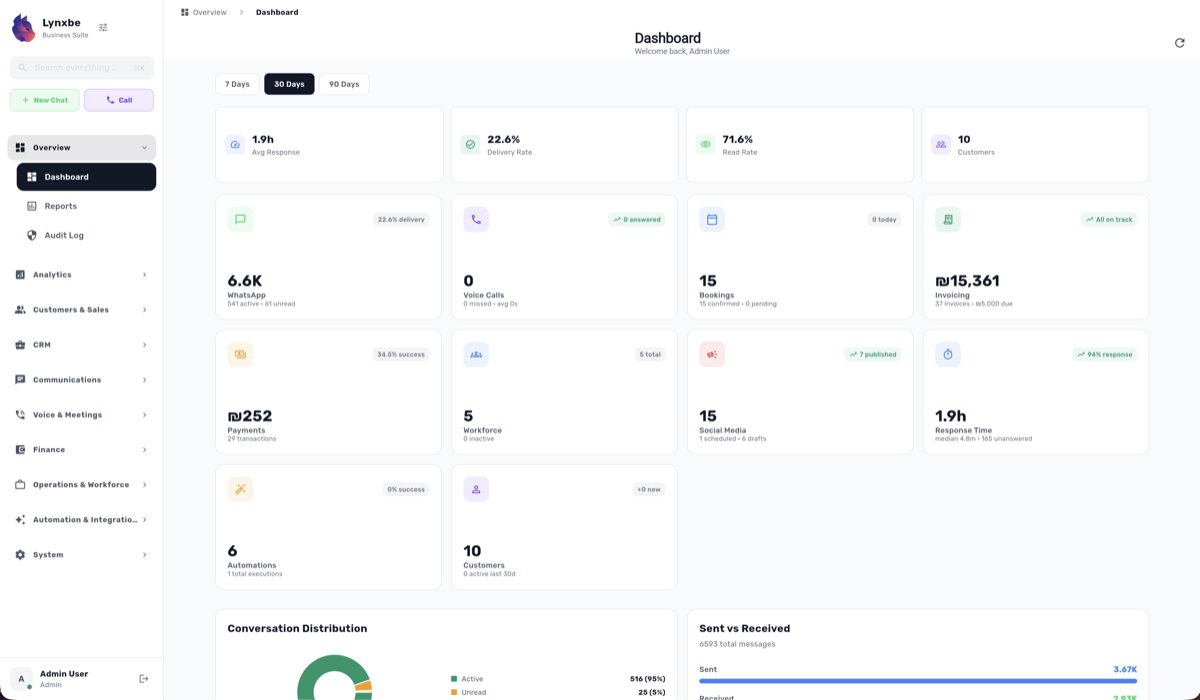
As you consider how to implement these strategies, look no further than Lynxbe, the all-in-one business platform that combines WhatsApp messaging, CRM capabilities, and automation tools. With Lynxbe, you can streamline your customer communication and enhance your overall operational efficiency.
Ready to take your customer engagement to the next level? Explore the Lynxbe platform modules, including WhatsApp, CRM, and automation, to discover how they can transform your business. Visit us at Lynxbe Platform Modules and check out our pricing plans at Lynxbe Pricing. Don’t miss out on the opportunity to elevate your customer engagement strategy!




Comments
💬 Share your thoughts