Guide: How to Upgrade Your Business Using the WhatsApp API
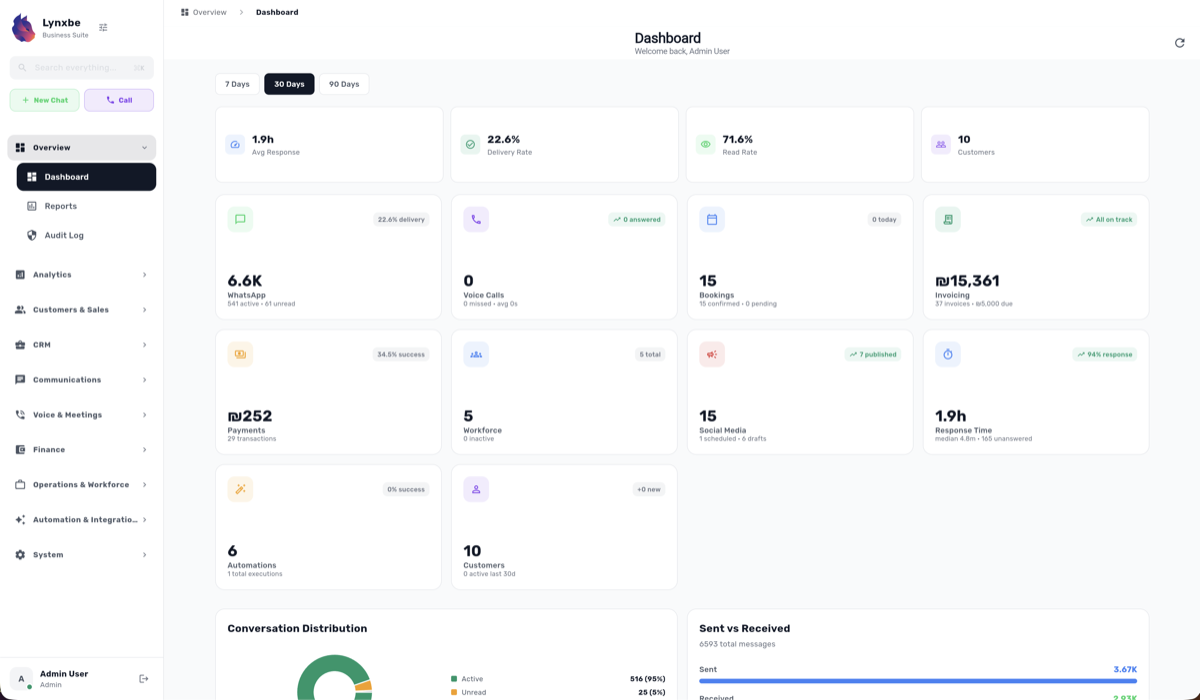
In today's digital age, businesses are required to find new ways to streamline communication with their customers. One of the most effective ways to do this is through the WhatsApp API. This API allows companies to bridge communication gaps, optimize their services, and enhance the customer experience. In this article, we will review the new features of the API, discuss how to integrate it with an existing CRM system, and present practical examples of its uses in various businesses.
WhatsApp is one of the most popular communication apps, with over 2 billion users worldwide. Utilizing the WhatsApp API brings many advantages, such as the ability to send automated messages, manage real-time conversations, and provide customer support more quickly and efficiently. Connecting the WhatsApp API to your business can upgrade existing processes, reduce costs, and improve customer satisfaction.
With the advancement of technology, the features of the WhatsApp API are also being renewed and improved. Today, businesses can take advantage of features such as sending multimedia messages, alerts about new promotions, managing customer inquiries, and automated responses. All of these enable businesses to create more personal connections with their customers and provide tailored services.
In this article, we will explore the ways you can upgrade your business using the WhatsApp API, from understanding the new features to transitioning from the old method to the new one. We will also present ways to integrate the API with existing CRM systems and provide practical examples of its uses in various businesses, including tips and recommendations for success.
Overview of New Features in the API
The WhatsApp API offers a wide range of new features that allow businesses to optimize communication with their customers. One of the standout features is the ability to send multimedia messages, such as images, videos, and files. This feature enables businesses to convey information in a richer and more engaging manner.
Additionally, the WhatsApp API offers automation options, such as sending messages when an incoming call is received or providing automated responses to frequently asked questions. This allows businesses to provide services 24/7 and save time and resources in responding to customer inquiries.
Another feature is the ability to manage group conversations, which allows businesses to hold discussions with multiple customers simultaneously, thereby streamlining communication and strengthening the connection with the audience.
Furthermore, the WhatsApp API offers data analysis options, which can help businesses understand customer behavior and improve the services offered accordingly. This analysis includes data on response times, types of inquiries, and additional information that can enhance the customer experience.
How to Integrate the API with an Existing CRM System
Integrating the WhatsApp API with an existing CRM (Customer Relationship Management) system is a critical step in upgrading communication in your business. The process begins with understanding how information flows in your CRM system and how this information can be integrated with the WhatsApp API.
The first step is to define your goals. Do you want to improve customer service? Increase your sales? Each goal will require a different approach to integrating the API. Next, you will need to review the WhatsApp API documentation and see which functions can align with your goals.
It is advisable to start developing integration between the API and your CRM system. This process typically includes connecting databases so that information is automatically fed from the CRM to WhatsApp and vice versa. For example, when a customer reaches out via WhatsApp, this information can be automatically updated in your CRM system.
Here is a basic code example that illustrates how to send a message from CRM to WhatsApp:
import requests

# WhatsApp API URL
url = "https://api.whatsapp.com/send"

# Message details
data = {
    "phone": "+972XXXXXXXXX",  # Customer's phone number
    "text": "Hello! Thank you for contacting us."
}

# Sending the message
response = requests.post(url, json=data)

# Checking the response status
if response.status_code == 200:
    print("Message sent successfully!")
else:
    print("Error sending message:", response.text)
Of course, you must take into account the usage policies of the WhatsApp API and ensure that you have the appropriate permissions to send messages to customers.
Examples of Practical Uses in Different Businesses
One example of using the WhatsApp API is in the retail sector. Businesses can use the API to send customers messages with updates on product inventory, discounts, and special promotions. For instance, if a customer makes a purchase, the business can send them a personal message with order details.
Another example is in the service industry. Service companies can use the API to send customers reminders about appointments, updates on service times, or provide additional information. This not only streamlines service but also enhances the customer experience.
In general, the use of the WhatsApp API can span many fields, including tourism, health, education, and more. For example, a hotel can send customers messages with information about available services, flights, or special deals.
To use the API effectively, businesses need to think about how to create personalized experiences for customers. This can include sending messages based on the customer's history or what they have searched for in the past.
Steps to Transition from the Old Method to the New API
Transitioning from the old method to the WhatsApp API requires planning and deep thought. The first step is to identify the existing processes in your business and examine how they can be improved using the API.
Next, it is necessary to conduct training for the staff. It is important for the team to know how to work with the API, understand the technology behind the system, and know how to leverage its potential.
After that, a pilot should be conducted. It is advisable to start using the API in a specific area of the business to test its effectiveness and make adjustments. Once the pilot is successful, the use of the API can be expanded to other areas of the business.
Finally, it is crucial to monitor the results of using the API. It is important to analyze the data and see where services can be improved. This is an ongoing process that can ultimately lead to excellent customer service.
Best Practices and Tips
To succeed in using the WhatsApp API, there are several tips that can help. First of all, it is important to maintain an appropriate frequency of messages. Sending messages too frequently can annoy customers. Finding the right balance between updating the customer and maintaining a good customer experience is essential.
Additionally, it is important to maintain quality and useful content. Messages with interesting content can strengthen the connection with customers. For example, you can include tips, information about new products, or unique opportunities.
Finally, you should check customer responses to the messages sent. You can use data analysis tools to understand which messages are successful and which are not. This will allow you to optimize communication and tailor it to customers' needs.
Actionable Insights and Takeaways
In summary, the WhatsApp API offers an excellent opportunity to upgrade your business. Integrating the API with an existing CRM system can improve efficiency, save time, and enhance the customer experience. Utilizing features such as sending multimedia messages, automation, and managing conversations can elevate communication with customers.
It is important to make the transition in an orderly manner, with appropriate preparation of the team and conducting a pilot. Using tips and best practices can ensure that the use of the API is efficient and beneficial.
Therefore, if you are considering upgrading your business, it is advisable to start exploring the options offered by the WhatsApp API and see how it can enhance your services.
Conclusion with a Call to Action
Now that you have a deep understanding of the benefits of the WhatsApp API, it is time to take action. Start by defining your goals, explore the integration options with your CRM system,

Comments
💬 Share your thoughts