How to Leverage the WhatsApp Cloud API for Your Business in Israel
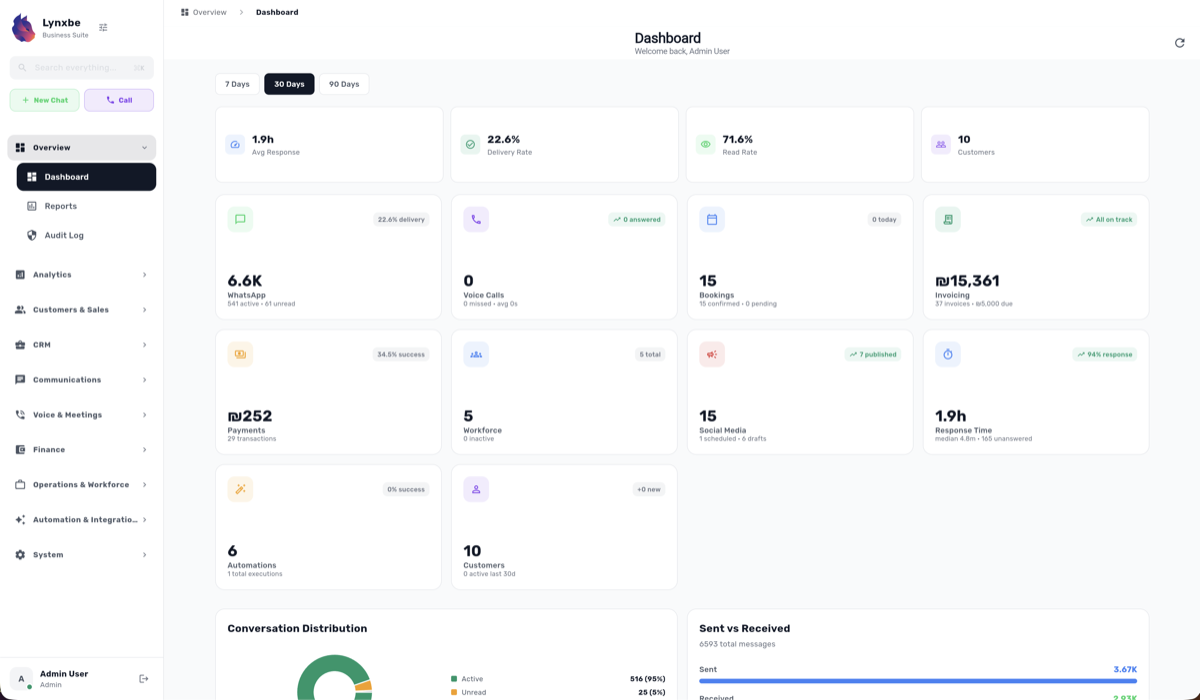
In the modern era, where communication between businesses and customers primarily occurs through digital platforms, WhatsApp has become one of the most popular options for customer service and business communication. The WhatsApp Cloud API offers businesses in Israel a unique opportunity to leverage this platform to streamline their business processes and enhance customer interaction. In this article, we will explore how to use the WhatsApp Cloud API to upgrade your business, present practical examples, and examine various use cases.
The WhatsApp Cloud API offers numerous advantages, such as the ability to send automated messages, support for personalized messaging, and the option to integrate with various CRM systems. It is a powerful tool that allows businesses to create improved customer experiences, streamline service processes, and prevent human errors. With the right usage, it is possible to harness the potential of WhatsApp to increase customer satisfaction and improve revenues.
In this article, we will delve into the advantages of using the WhatsApp Cloud API, examine how to integrate it with CRM systems, review application methods in customer service, and provide examples from practical cases of Israeli businesses. We will also offer practical tips and conclusions that can enhance your use of the platform.
The Benefits of Using the WhatsApp Cloud API
One of the main advantages of using the WhatsApp Cloud API is the ability to send automated messages to a large number of customers simultaneously. In an era where customers expect immediate responses, this capability can significantly upgrade the service provided. For example, businesses can send welcome messages to new customers, remind customers about appointments, or send important updates regarding orders.
Another advantage is the specialization in personalized messaging. With the API, businesses can send messages tailored to the needs of each customer, using data from CRM systems. For instance, if a particular customer purchases a specific product, a message can be sent with recommendations for additional products that may interest them. This not only streamlines communication but also increases the likelihood of additional sales.
Additionally, the WhatsApp Cloud API offers an easy-to-use interface, allowing businesses to connect quickly and easily to the WhatsApp platform. The integration with existing technologies enables businesses to adopt these tools without investing significant efforts in new technological development. This advantage is especially important for startups and small companies looking for quick and efficient solutions.
Integration with CRM for Process Automation
One of the most effective ways to leverage the WhatsApp Cloud API is to integrate it with CRM systems. When a CRM is integrated with WhatsApp, many processes can be automated. For example, customer lists from the CRM can be synchronized and used for sending automated messages. This allows businesses to create personalized marketing campaigns more easily.
When a customer makes a purchase, the system can automatically send them a thank you message and ask if they are satisfied with the product. This not only demonstrates excellent customer service but also provides the business with important data on customer satisfaction, which can improve products and services in the future.
Through integration with CRM, businesses can also optimize the management of customer information. When all messages and interactions are stored in the system, it allows employees to access the customer’s history quickly and easily. For example, if a customer contacts with an issue, the service representative can see all previous messages and provide a more accurate and professional response.
Application Methods in Customer Service
Using the WhatsApp Cloud API, businesses can significantly upgrade their service departments. For example, WhatsApp can be used as a channel for technical support. Customers can send pictures or videos of issues they are experiencing, allowing service representatives to get a clearer picture of the problem and suggest appropriate solutions.
Additionally, WhatsApp can serve as a channel for scheduling appointments. Customers can send messages to request an appointment, and through automation, appointments can be scheduled automatically. This saves a lot of time for both parties and improves the customer experience.
Moreover, WhatsApp can be used to send status updates to customers. For example, if a customer orders a product, updates about the order's status can be sent, so they know when the product will arrive. This reduces the need to respond to repetitive questions and gives the customer a sense of transparency.
Practical Use Cases in Israeli Businesses
Many businesses across Israel have already begun to leverage the WhatsApp Cloud API to improve their services. For example, the company "Walla! Shops" uses WhatsApp to send order updates to customers. Customers can receive updates directly to their mobile phones, which increases satisfaction.
Another case is the company "Tafas," which offers services in the health sector. They use WhatsApp to schedule appointments with customers and provide them with information about medical processes. The use of WhatsApp allows customers to receive answers to their questions quickly and efficiently.
A startup in Israel called "Zoom," specializing in tourism services, also uses WhatsApp to communicate with customers in real time. They provide information about flights, weather updates, and travel itineraries, giving customers a sense of availability and immediate response.
These examples illustrate how Israeli businesses can leverage the WhatsApp Cloud API to upgrade their services, increase customer satisfaction, and streamline internal processes.
Best Practices and Tips
To get the most out of the WhatsApp Cloud API, it is important to follow some good practices. First, ensure that the messages sent to customers are personalized and meaningful. Customers tend to respond better to messages that speak to them personally, rather than generic messages.
Second, it is important to maintain high availability. Customers expect a quick response to their messages, so it is advisable to allocate a dedicated team or use automated tools to ensure that the response is as immediate as possible.
Finally, it is always good to implement methods for measuring success. This can include surveys or requests for feedback after interactions. This way, you can know what works and what needs improvement, ultimately enhancing the service you offer.
Conclusions and Lessons Learned
The WhatsApp Cloud API offers businesses in Israel a unique opportunity to improve their communication with customers. Through the automation of processes, integration with CRM systems, and fast and personal customer service, businesses can increase satisfaction and upgrade internal processes.
Moreover, the examples from Israeli businesses utilizing the platform demonstrate the immense potential of this service. If you are a business owner, a technology manager, or a developer, now is the time to start exploring the possibilities offered by the WhatsApp Cloud API.
In conclusion, using the WhatsApp Cloud API is not just a new technology, but also an opportunity to upgrade and make your business more relevant and competitive in the market. It is important to start planning how you can integrate these tools into your business and see their positive impact.
Ending with a Call to Action
If you are interested in starting to use the WhatsApp Cloud API in your business, we recommend reaching out to experts in the field. They can assist you in the implementation process, guide you on how to get the most out of the available tools, and ensure you are on the right track to success.
Don't wait any longer! Start driving your business forward with the WhatsApp Cloud API and make communication with your customers more convenient, fast, and efficient!

Comments
💬 Share your thoughts