How to Leverage the WhatsApp Cloud API to Boost Sales?
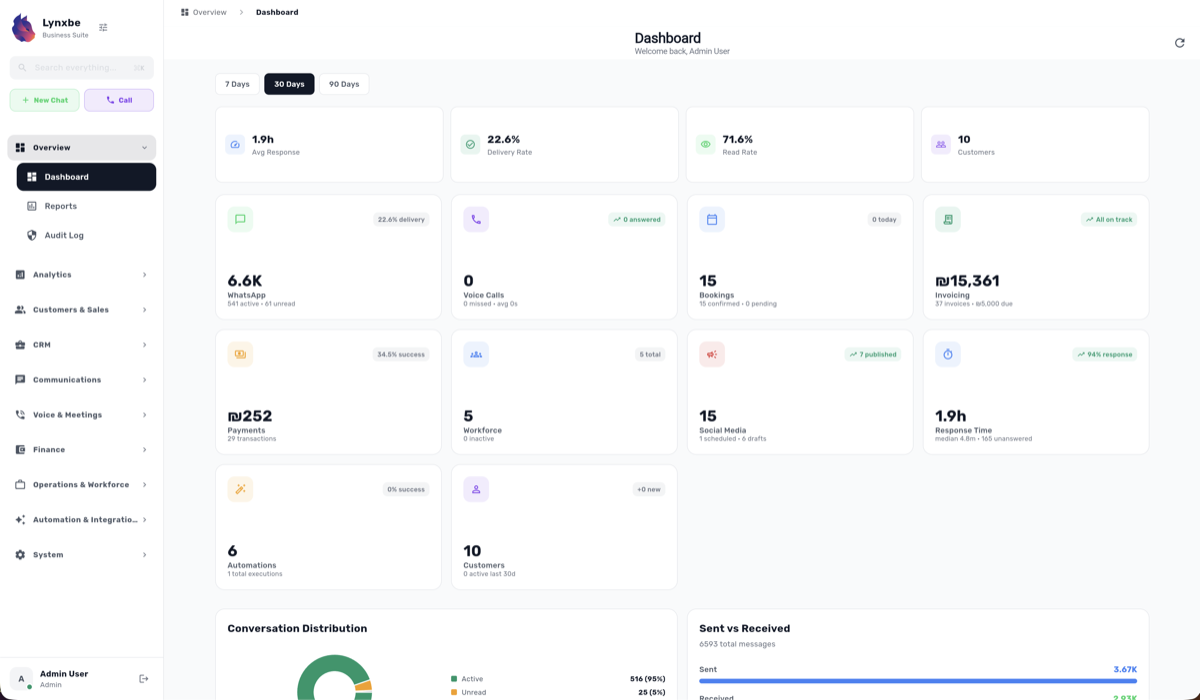
In recent years, WhatsApp has become one of the most popular platforms for communication between people and businesses. With over 2 billion users worldwide, it’s no wonder that businesses are looking for ways to harness the potential of this technology to improve sales and communication with customers. One effective way to do this is through the WhatsApp Cloud API, which allows businesses to easily connect to the platform and take advantage of its benefits. In this article, we will explore the advantages of this API in depth, how to implement it in existing systems, and present examples of successes from Israeli businesses.
First, what is the WhatsApp Cloud API? It is an alternative that allows businesses to communicate with customers in an automated and focused manner. Through this API, businesses can send messages, set reminders, and provide real-time customer support, all from their internal systems. Using the WhatsApp Cloud API offers businesses many advantages, including time savings, improved customer experience, and increased sales.
Additionally, it is important to note that using the WhatsApp Cloud API requires a deep understanding of the various functions that the platform offers. Businesses that succeed in leveraging these tools will be able to create personalized experiences for customers, strengthen loyalty, and establish long-term relationships. In this article, we will also review specific examples of uses in Israeli businesses, so that ultimately, readers can apply the acquired knowledge practically.
Furthermore, we will present practical strategies for using WhatsApp to improve sales, focusing on tools and automations that can enhance communication with customers. This way, any business can understand how to leverage the WhatsApp Cloud API to yield impressive results.
Understanding the Benefits of the WhatsApp Cloud API
The WhatsApp Cloud API offers a variety of benefits that set it apart from other communication methods. First, the cost of using the API is relatively low, especially when it comes to managing large campaigns. Businesses can send messages to their customers without additional costs for SMS messages or similar services.
Another advantage is the ease with which the API can be integrated with existing CRM systems. For example, businesses can use WhatsApp to send automated messages to customers about updates, new promotions, or reminders about appointments. This integration not only saves time but also improves the customer experience.
Additionally, the WhatsApp Cloud API allows businesses to create two-way conversations with customers. This means that customers can send questions, request additional information, or even submit service requests through the platform, without going through other channels. This is a significant change that shortens response time and increases satisfaction.
How to Implement the API in Existing Systems
To implement the WhatsApp Cloud API in an existing system, several steps must be taken. First, you need to register for access to the API through the WhatsApp portal. After receiving access, you can create the application that will connect to the platform.
The next step is to configure the server that will store the settings and the code required for communication with the API. Here, you can choose between using a personal server or cloud services, depending on the business's needs. For example, many startups in Israel choose to use AWS or Google Cloud services to ensure high availability.
Once the server is ready, you need to implement the code that will make the API calls. One option is to use languages like Python or Node.js. For example, you can write code in Python that sends a message to a customer as follows:
import requests

url = "https://graph.facebook.com/v13.0//messages"

payload = {
    "messaging_product": "whatsapp",
    "to": "",
    "type": "text",
    "text": {
        "body": "Hello! How can we assist you today?"
    }
}

headers = {
    "Authorization": "Bearer ",
    "Content-Type": "application/json"
}

response = requests.post(url, json=payload, headers=headers)

print(response.json())  # Print the server response
Now, after the code is written and the server is configured, you can start sending messages to customers. It is important to monitor the responses and ensure that customers receive the messages in a timely and proper manner.
Examples of Successes from Israeli Businesses
One prominent example of using the WhatsApp Cloud API in Israel is the company "Miki Delicacies." The company used the API to send delivery updates to its customers. Instead of having customers wait on hold, they received an automatic message about the delivery status, which increased customer satisfaction and loyalty.
Another example is the company "Online Clothing," which used the WhatsApp Cloud API to manage a personalized sales process. Customers received messages with personalized recommendations based on previous purchases, leading to a significant improvement in sales.
Another company is "Smart Tourism," which offers personalized travel packages. They used the API to send customers tailored offers, which contributed to an increase in the deal closure rate. Conversations with customers became more focused and useful.
Strategies for Using WhatsApp for Sales
One of the most effective strategies for using the WhatsApp Cloud API is to create personalized experiences for customers. By analyzing data on previous purchases and interests, businesses can send customers messages with tailored offers.
Another strategy is to use date-based marketing. For example, businesses can send reminders to customers about upcoming promotions or special events, such as birthdays. Such messages increase customer engagement and drive them to take action.
Additionally, it is important to leverage the possibility of two-way conversations. Customers like to feel heard, so it is essential to allow them to send questions or requests via WhatsApp. Such dialogues not only increase satisfaction but also give the business a competitive edge.
Tools and Automations to Improve Communication with Customers
To improve communication with customers, various tools and automations can be used. First, chatbots based on the WhatsApp Cloud API can be implemented. The bots can answer frequently asked questions, provide product information, and perform basic actions such as scheduling appointments.
Additionally, there are tools like Zapier that allow connecting WhatsApp with other systems, such as CRM or project management systems. This way, data on customers can be collected and used to enhance the user experience.
Using data analysis tools can improve communication with customers and help understand which messages are the most effective. By analyzing customer feedback, businesses can refine their marketing strategies.
Tips for Effective Use of the WhatsApp Cloud API
To leverage the WhatsApp Cloud API most effectively, there are several tips that can help. First, it is important to maintain a clear and concise message. Customers appreciate short and clear messages that provide the necessary information.
Another tip is not to send too many messages. It is important to find the right balance between continuous communication and not overwhelming customers with messages. Care should be taken with the number of messages sent and to ensure they are relevant.
Finally, invest in the design of the messages. Well-designed and attractive messages can lead to increased customer engagement and a higher likelihood that they will respond or make a purchase.
Summary and Recommendations for Action
The WhatsApp Cloud API offers businesses a unique opportunity to improve sales, increase customer engagement, and enhance the customer experience. With the right implementation and suitable strategies, any business can harness the potential of this platform.
To get started, it is recommended to register for the API, configure the server, and create the first messages. Monitor the responses and make adjustments as needed. This way, businesses can create personalized experiences that will enhance loyalty and lead to positive results.
Finally, we recommend that all business managers, developers, and entrepreneurs in Israel start exploring the options offered by the WhatsApp Cloud API. Now is the time to enter a new era of marketing communication and use advanced technologies to attract new customers and retain existing ones.
Comments
💬 Share your thoughts