Maximize Your Business with WhatsApp Cloud API in Israel
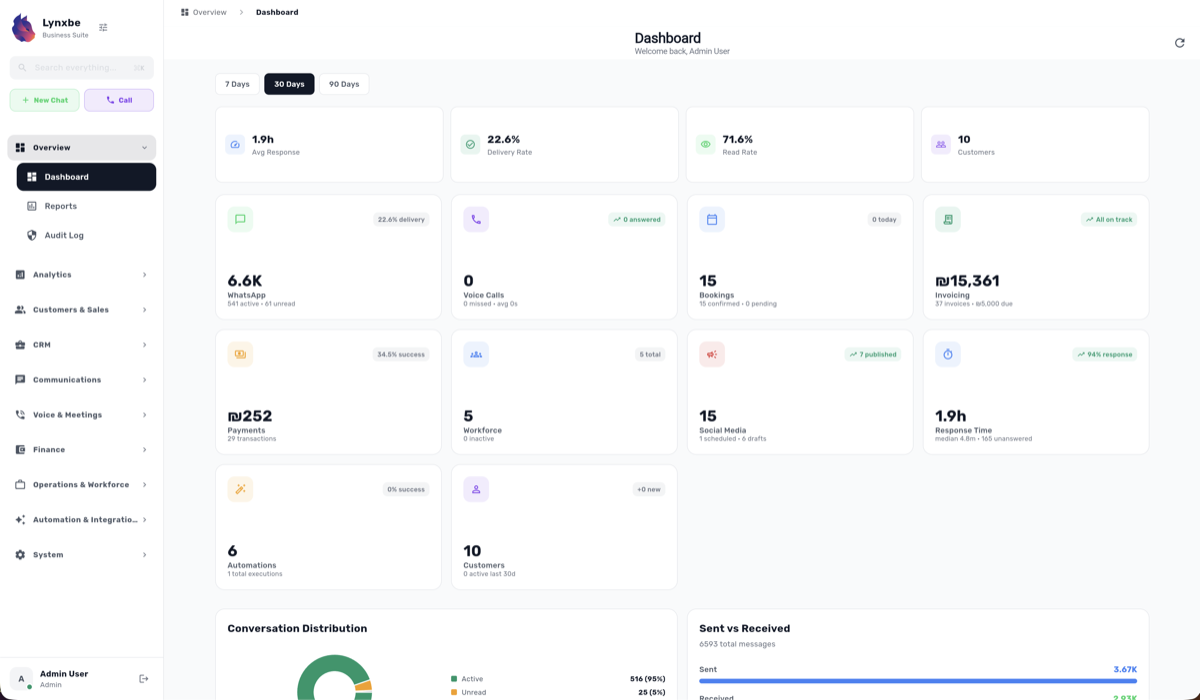
In today’s fast-paced digital landscape, businesses are always on the lookout for innovative ways to engage with their customers. As communication evolves, the tools that facilitate these interactions become increasingly crucial. One such tool that has gained immense popularity is the WhatsApp Cloud API, which is transforming the way companies in Israel approach customer service, marketing, and engagement. With over two billion users worldwide, WhatsApp has established itself as a leading messaging platform, making it a prime channel for businesses to connect with their audience.
WhatsApp Cloud API provides a multitude of features that cater specifically to the needs of small and medium-sized enterprises (SMBs). It allows businesses to automate interactions, send notifications, and provide real-time customer support—all through a platform that users are already familiar with. This not only enhances customer experience but also streamlines operations, thereby maximizing efficiency and productivity. In this blog post, we will delve into the features and benefits of the WhatsApp Cloud API, provide a step-by-step guide for implementation, share case studies from Israeli companies, and offer best practices for leveraging this powerful tool.
Understanding the potential of the WhatsApp Cloud API is crucial for any tech professional or business leader in Israel today. As startups and established companies alike navigate the complexities of digital communication, the ability to harness such a tool can set them apart from the competition. This guide will help you explore how you can maximize your business outcomes using WhatsApp Cloud API, paving the way for better customer relationships and enhanced operational capabilities.
Overview of WhatsApp Cloud API Features and Benefits for SMBs
The WhatsApp Cloud API offers a suite of features that can be particularly advantageous for small and medium-sized businesses. Firstly, it provides a reliable and scalable solution for messaging. Businesses can send and receive messages, media files, and documents in a secure environment. This means that customer interactions can happen in real-time, significantly reducing response times and enhancing customer satisfaction.
Another key feature is the ability to send automated notifications. Whether it’s sending order confirmations, shipping updates, or appointment reminders, automation can help businesses maintain consistent communication without constant manual input. This not only saves time but also minimizes human error, ensuring that customers receive accurate information promptly.
The rich media capabilities of WhatsApp Cloud API allow businesses to engage customers with images, videos, and audio clips. This is particularly useful for marketing campaigns where visual content can significantly impact consumer behavior. A well-crafted multimedia message can capture attention more effectively than plain text, leading to higher engagement rates.
Moreover, the API supports chatbots, enabling businesses to provide 24/7 customer support. This is invaluable for Israeli startups looking to compete in a global market where customer expectations are continually rising. By utilizing chatbots, businesses can handle common inquiries, freeing up human agents for more complex issues. This not only enhances efficiency but also improves overall customer satisfaction.
Step-by-Step Guide on Implementation and Integration
Integrating the WhatsApp Cloud API into your existing systems may seem daunting, but with a clear step-by-step approach, it can be accomplished smoothly. To begin with, you need to create a WhatsApp Business Account. This involves registering your business with Facebook and providing the necessary details such as the business name and phone number. Once set up, you will get access to the WhatsApp Business API.
Next, you will need to set up a cloud instance. WhatsApp provides a cloud-hosted version of the API, which simplifies the process by removing the need for complex server configurations. This allows you to focus on building your application. To do this, you can use platforms like AWS or Google Cloud, which provide the infrastructure necessary to run your API.
Once your cloud instance is ready, you will need to configure the API. This includes setting up webhook URLs to receive messages, configuring endpoints for sending messages, and setting up any necessary authentication tokens. WhatsApp uses OAuth 2.0 for secure connections, ensuring that your data remains protected.
After the initial setup, it’s time to integrate the API with your existing customer relationship management (CRM) or any other systems you use. This can typically be done using RESTful APIs, which allow for smooth data exchange between different applications. For instance, if you're using a CRM like Salesforce, you can create a middleware that links WhatsApp messages directly to customer records.
Here is a simple example of how you might send a message using the WhatsApp Cloud API:
import requests

url = "https://graph.facebook.com/v13.0/YOUR_PHONE_NUMBER_ID/messages"

payload = {
    "messaging_product": "whatsapp",
    "to": "RECIPIENT_PHONE_NUMBER",
    "text": {
        "body": "Hello, this is a message from your business!"
    }
}

headers = {
    "Authorization": "Bearer YOUR_ACCESS_TOKEN",
    "Content-Type": "application/json"
}

response = requests.post(url, json=payload, headers=headers)

print(response.json())  # Print the response from the API
This code snippet demonstrates how to send a simple text message using the WhatsApp Cloud API. By replacing the placeholders with your specific information, you can quickly set up communication with your customers.
Case Studies of Israeli Businesses Successfully Using the API
To understand the practical implications of the WhatsApp Cloud API, let’s explore how some Israeli businesses have successfully integrated this technology into their operations. One notable example is a popular Israeli e-commerce platform that sought to enhance its customer service experience. By implementing the WhatsApp Cloud API, the company was able to automate order confirmation messages and shipping notifications, significantly reducing the volume of customer inquiries related to order status.
As a result, customer satisfaction scores improved, and the customer support team was able to focus on more complex queries. The e-commerce platform reported a 30% reduction in response time and a considerable increase in positive feedback from customers. This case highlights how automation and effective communication can lead to substantial improvements in operational efficiency.
Another compelling case is that of a leading fintech startup in Israel that used WhatsApp Cloud API to provide real-time customer support. By integrating the API into their mobile app, they enabled users to chat directly with support agents through WhatsApp. This resulted in a seamless support experience, allowing users to resolve issues without leaving the app.
The fintech company also utilized chatbots to handle routine inquiries, such as account balance checks and transaction histories. This dual approach of human and automated responses helped them maintain a high level of customer satisfaction while reducing operational costs. They reported a 50% increase in user engagement and a significant drop in support tickets, showcasing the effectiveness of the WhatsApp Cloud API in improving customer interactions.
Moreover, a local travel agency in Tel Aviv integrated the WhatsApp Cloud API to enhance their marketing efforts. They utilized the platform to send personalized travel package offers and promotions directly to potential customers’ WhatsApp accounts. By leveraging rich media capabilities, they included stunning images and videos of destinations, which significantly boosted engagement rates.
As a result, the travel agency saw a 40% increase in bookings during peak travel seasons, demonstrating the power of WhatsApp as a marketing tool. This case exemplifies how businesses can creatively use the API to connect with their audience in a more meaningful way.
Best Practices for Leveraging WhatsApp for Customer Support and Marketing
To truly maximize the potential of the WhatsApp Cloud API, businesses should adhere to certain best practices. First and foremost, it’s essential to maintain a clear and consistent brand voice. Your messaging should reflect your company’s values and personality, ensuring that customers feel connected to your brand.
Another best practice is to segment your audience for targeted messaging. By analyzing customer data, businesses can create tailored messages that resonate more with specific demographics. For instance, sending exclusive offers to loyal customers through WhatsApp can enhance customer loyalty and drive repeat business.
Additionally, businesses should leverage the multimedia capabilities of the platform. Engaging customers with rich media content, such as videos and infographics, can significantly improve engagement rates. Creative campaigns that combine visual elements with compelling calls to action can lead to higher conversions and improved customer interaction.
Moreover, continuous monitoring and analysis of communication effectiveness is crucial. By tracking metrics such as open rates, response times, and customer satisfaction scores, businesses can fine-tune their strategies to better meet customer needs. This iterative approach ensures that communication remains relevant and effective over time.
Actionable Insights and Takeaways
Implementing the WhatsApp Cloud API can revolutionize how businesses in Israel engage with their customers. By automating communications, providing real-time support, and leveraging rich media, companies can enhance customer satisfaction and operational efficiency. The case studies highlighted in this post demonstrate that businesses of all sizes can benefit from this powerful tool.
To successfully integrate the WhatsApp Cloud API, businesses should follow a structured approach, from account setup to API configuration and integration with existing systems. By adhering to best practices, such as maintaining a consistent brand voice and segmenting audiences, companies can maximize their impact and drive better results.
The key takeaway is that effective communication is critical in today’s digital marketplace. As customers increasingly prefer messaging platforms for interactions, businesses must adapt and innovate to stay ahead. The WhatsApp Cloud API provides the tools necessary to meet these demands, enabling companies to build stronger relationships with their customers.
Conclusion with Call to Action
In conclusion, the WhatsApp Cloud API represents a significant opportunity for businesses in Israel looking to enhance their communication strategies. By adopting this technology, companies can streamline interactions, improve customer support, and drive marketing initiatives effectively. As we continue to navigate the complexities of digital communication, tools like the WhatsApp Cloud API will be pivotal in shaping customer experiences.
If you are a tech professional, startup founder, or CTO in Israel, now is the time to explore the potential of the WhatsApp Cloud API for your business. Implementing this tool can lead to substantial growth and improved customer relations, ultimately maximizing your business success. Don’t miss out on the opportunity to leverage one of the most popular messaging platforms to enhance your business operations.



Comments
💬 Share your thoughts