How to Upgrade Your Business with WhatsApp Cloud API?
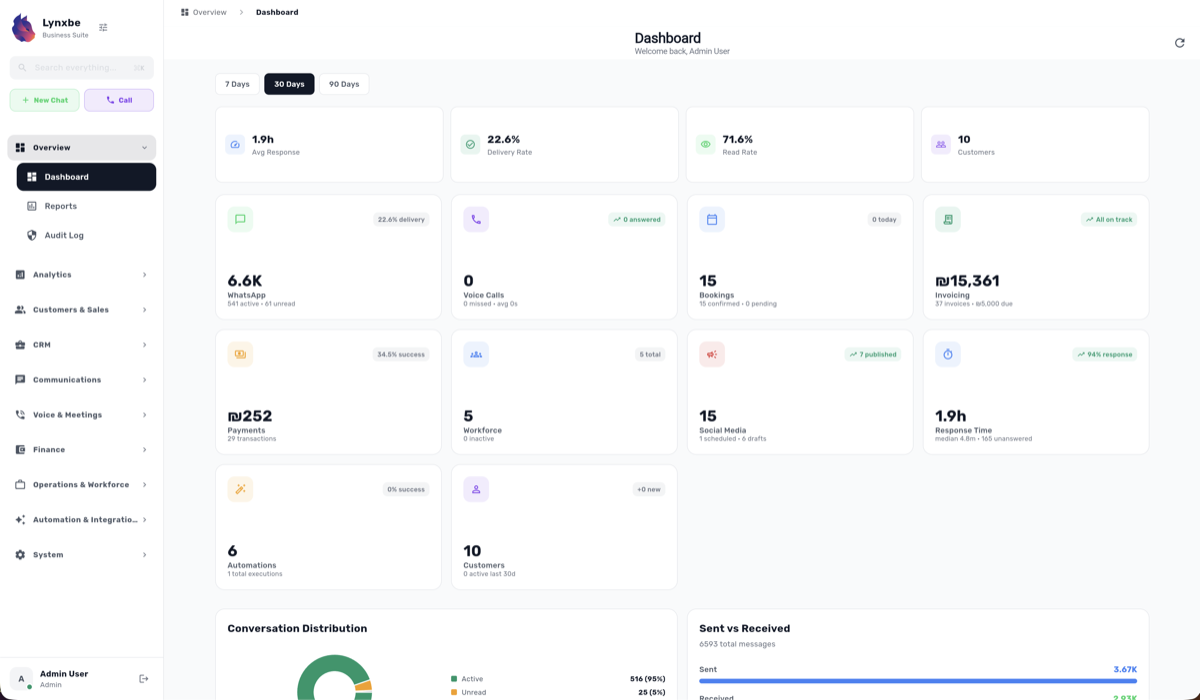
In the digital age we live in, people expect fast, available, and effective communication with businesses. WhatsApp, as one of the most popular communication platforms, has become an essential tool for businesses of all sizes. With the launch of the WhatsApp Cloud API, businesses can significantly upgrade their customer experience. In this article, we will explore how to use the WhatsApp Cloud API to enhance your business, the benefits of using it, and how to transition from WhatsApp Business to Cloud API.
The popularity of WhatsApp is not only due to the convenience it offers but also the option to communicate with customers in a direct and personal manner. With the WhatsApp Cloud API, businesses can expand their capabilities and integrate the platform with other systems like CRM, allowing them to manage conversations automatically and improve the customer experience. In this article, we will discuss the advantages of using the WhatsApp Cloud API, provide a guide for transitioning from WhatsApp Business to Cloud API, and examine how integration with CRM can enhance the customer experience.
Additionally, we will highlight tips for managing automated conversations with customers, so you can make the most of the new technological tools. Whether you are a software developer, a business manager, or an entrepreneur, this information can help you upgrade your business and enjoy the benefits of advanced technology.
The Benefits of Using WhatsApp Cloud API
The WhatsApp Cloud API offers several significant advantages for businesses. First, it is a flexible and easy-to-use solution. Businesses can quickly and efficiently start using WhatsApp's features without setting up complex infrastructures. With this API, you can send and receive messages, images, videos, and other data simply.
Another advantage is the ability to manage conversations with customers automatically. With tools like chatbots, businesses can respond to frequently asked questions, provide information about products, and process orders, all without needing a customer service representative available at all times. This not only saves time but also enhances the customer experience.
Furthermore, the WhatsApp Cloud API allows integration with various CRM systems. This enables tracking customer conversations, managing records, and updating information automatically. Through these integrations, businesses can offer personalized service to users, which can lead to a significant improvement in customer satisfaction.
Finally, with the WhatsApp Cloud API, businesses can develop customized solutions according to their needs. Whether it involves personalized messages, marketing campaigns, or customer service, the ability to tailor solutions to specific needs is a significant advantage.
Guide to Transitioning from WhatsApp Business to Cloud API
If you are using WhatsApp Business and want to transition to Cloud API, the process is relatively straightforward. First, you need to register for the WhatsApp Business API platform. The registration process includes verifying your phone number and setting up a Facebook Business account.
Once your account is approved, you can start configuring the API. This includes setting up your business profile, such as the business name and image, as well as defining message templates you want to send to customers. These templates must be approved by WhatsApp before they can be used.
Next, you will need to set up the server where the API will operate. You can choose to use a cloud hosting solution or set up a personal server. The installation includes configuring the code, adding the required keys, and opening ports for communication.
After you have configured the API, you can begin developing your application, integrating it with your CRM, for example. This process may involve writing code to manage incoming and outgoing messages, as well as automation processes and data analysis.
How Integration with CRM Can Enhance the Customer Experience
Integrating the WhatsApp Cloud API with a CRM system can upgrade the customer experience in several ways. First, it allows for organized tracking of every interaction with the customer. When every incoming message creates a record in the CRM system, you can follow the history of conversations, which helps understand the needs and preferences of customers.
Additionally, the information obtained from conversations can be used for data analysis and generating business insights. For example, if there is a frequently asked question that appears in conversations, this information can be used to improve the products or services offered. It also allows marketing teams to develop more targeted paid campaigns.
Through integration with CRM, businesses can also offer more personalized service. For example, if a customer inquires about a specific product, a customer service representative can access all the necessary information about their customer, such as previous purchases or preferences, and provide tailored responses. This increases the likelihood of closing a sale.
Finally, this integration allows for automation of processes. For instance, you can set up automatic responses to frequently asked questions or send reminders to customers about appointments or promotions. This not only saves time but also enhances the customer experience by providing quick answers to their inquiries.
Tips for Managing Automated Conversations with Customers
One of the powerful features of the WhatsApp Cloud API is the ability to manage automated conversations. When planning a chatbot or automated system, there are several important things to keep in mind. First, ensure that your conversations feel as natural and human-like as possible. Customers prefer to interact with bots that understand their needs.
Another tip is to use open-ended questions to guide the customer. Instead of asking questions that require short answers, like "Do you want to buy a product?", ask questions like "What product interests you the most?" Such a question allows the customer to express themselves more freely.
Additionally, it is important to regularly update your bot. If there are new products or promotions, this information should be added to the bot so that customers receive the most current information. This also helps maintain customer interest in the conversations.
Finally, do not forget to provide customers with the option to speak with a human customer service representative in cases where they need further assistance. Automation is a great tool, but there are times when customers prefer to talk to a real person.
Case Studies from the Israeli Tech Scene
In Israel, many companies have already adopted the WhatsApp Cloud API to improve their customer service. For example, a startup in the financing sector used the WhatsApp Cloud API to provide fast and efficient customer service. With an automated system, the company managed to handle hundreds of conversations a day while maintaining a high level of service.
Another company in the retail sector conducted a marketing campaign using WhatsApp. They sent personalized messages to customers about new promotions, significantly increasing sales. The data collected from the conversations helped them understand which products interested customers the most and focus their marketing efforts accordingly.
Another case study is an Israeli technology company that used the WhatsApp Cloud API to streamline its customer support. The company managed to reduce response times to customer inquiries by 50% using automated chatbots, leading to a significant improvement in customer satisfaction.
Finally, there is a health startup that used WhatsApp to communicate with patients. With the API, they could send reminders for appointments, ask questions about patients' health status, and receive quick feedback. This allowed them to provide better service and strengthen the relationship with patients.
Considerations and Recommendations
When considering transitioning to the WhatsApp Cloud API, there are several important considerations. First, you should conduct an in-depth analysis of your needs to understand which functions you require. Are you planning to manage automated conversations? Do you need integration with a CRM system? All these questions can impact how you build your solution.
Additionally, it is important to choose a reliable service provider who can offer you technical support in case of issues. Technological changes can be complex, so it is advisable to ensure you have access to professional support.
Finally, do not forget to update your team about the changes. Training employees on using the WhatsApp Cloud API will help

Comments
💬 Share your thoughts